
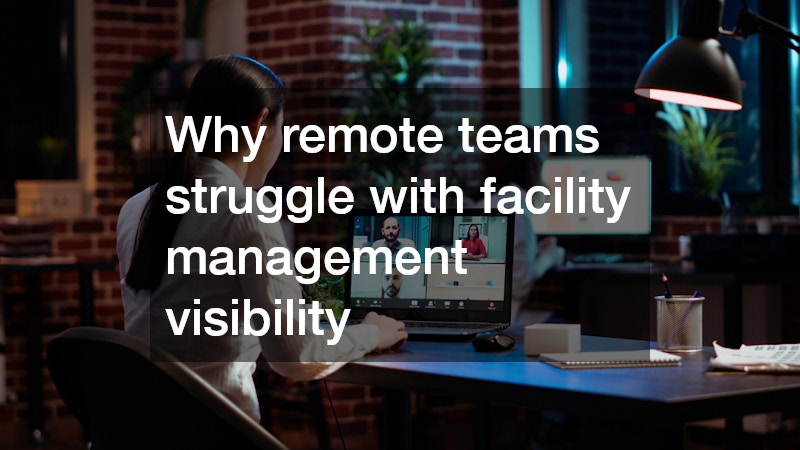
When you manage a property from a distance, small problems can turn into expensive surprises before you even know they exist. A leaking pipe, a stalled repair, or a missed inspection might sit unresolved for weeks simply because no one on your team had eyes on the situation. This is the reality for many remote property owners, landlords, and facility managers who oversee buildings they rarely visit in person. Understanding why visibility gaps happen is the first step toward closing them and protecting your investment.
The hidden cost of managing properties you can’t see
Remote oversight sounds efficient on paper, but it often means decisions get made based on outdated information or secondhand reports. A property manager relying only on phone calls or occasional site visits misses the day-to-day details that reveal how a building is actually performing. Small maintenance issues can snowball into major repairs simply because no one flagged them early enough.
This gap between what is happening on-site and what the owner knows about is often called the visibility problem. It affects everything from routine upkeep to emergency response times. The farther away a decision-maker is, physically and informationally, the more risk creeps into the process.
Multiple vendors, multiple blind spots
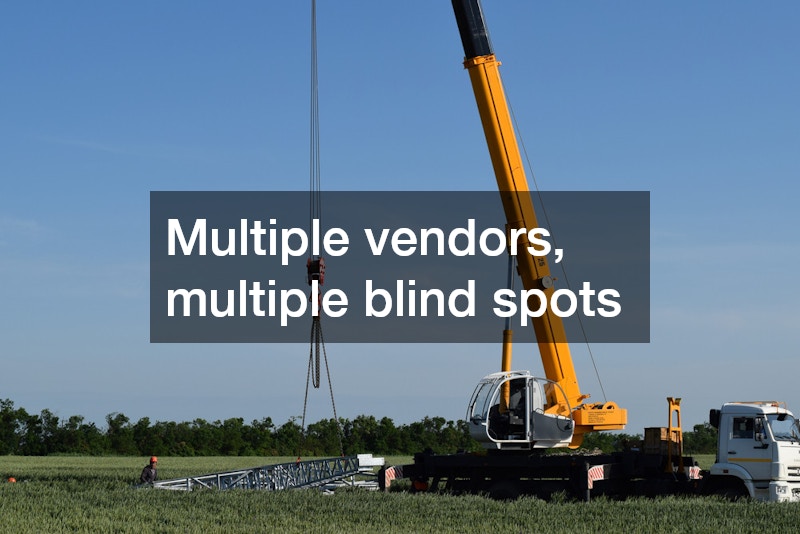
Most properties rely on a rotating cast of contractors — HVAC technicians, landscapers, electricians, cleaning crews — and coordinating them without a centralized view is one of the biggest sources of confusion for remote owners. Each vendor typically has its own scheduling process, invoicing format, and point of contact, which means there’s no single source of truth for what’s happening on-site on any given day. A property might juggle a dozen or more service providers in a given month, and each one adds another gap where information can fall through.
When a large piece of equipment like crane service is scheduled for a job, the stakes get higher. Someone still needs to confirm it arrived on time, that access was cleared with building management or neighboring tenants, and that the work matches what was quoted in scope and cost. A crane rental that sits idle for even an hour because access wasn’t arranged can cost hundreds of dollars, and there’s rarely anyone on-site to catch the discrepancy in real time.
Without a shared calendar or communication system, these details often live in someone’s inbox instead of a place everyone can check. A confirmation email here, a text message there, a voicemail left with a site manager who’s since changed roles — none of it adds up to a reliable record. By the time a discrepancy surfaces, whether it’s a missed appointment or a billing dispute, tracing what actually happened means digging through scattered records that may not even be complete.
The same challenge applies when rigging services are brought in for heavy lifting or equipment placement. These jobs require precise timing, site preparation, and often specialized permits, and any miscommunication can delay an entire project by days rather than hours. A rigging crew scheduled to move a piece of machinery might need clear floor access, confirmed load-bearing capacity, or overhead clearance verified well in advance — details that are easy to overlook when no one on-site is tracking them in real time.
Remote teams frequently discover scheduling conflicts only after a crew has already shown up and found the site unprepared. Sometimes it’s a locked loading dock, an elevator reserved by another vendor, or a path blocked by ongoing construction. Each of these small oversights can trigger costly rescheduling fees, idle labor charges, and knock-on delays for every vendor scheduled after the rigging job.
The deeper issue is that rigging work rarely happens in isolation. It’s usually one piece of a sequence involving electricians, movers, and safety inspectors, and without a shared visibility system, coordinating that sequence from a distance becomes a game of guesswork.
- Vendors often communicate directly with on-site staff, bypassing the remote manager entirely, so decisions get made without anyone tracking them centrally
- Scheduling conflicts are harder to catch without a shared visibility tool, like an HVAC repair overlapping with a scheduled cleaning crew in the same space
- Specialized equipment rentals add cost pressure when timing goes wrong, since a scissor lift or generator sitting idle for an extra day can cost hundreds of dollars
- Photo or video confirmation of completed work is rarely requested, leaving managers to take a vendor’s word that a job was done correctly
- Invoices frequently arrive without matching work orders, making it difficult to verify that billed hours reflect actual time on site
- Each vendor may use its own reporting format or software, forcing managers to manually reconcile updates from five or six different sources
Construction projects add another layer of complexity

Renovation or expansion work introduces a level of complexity that is difficult to manage from afar. Commercial construction projects involve dozens of moving parts, from permitting to inspections to daily progress tracking, and remote owners often find themselves several steps behind the actual timeline. Without regular updates, it becomes easy to lose track of whether a project is on schedule or quietly falling behind.
Change orders compound the problem. A contractor might adjust materials, resequence work, or flag an unexpected structural issue on-site, but that information doesn’t always make it back to a remote owner in real time. By the time it does, the decision window may have already closed, forcing costly rework or delayed approvals.
Inspections add another layer of risk. Missing a scheduled inspection because no one on the remote team knew it was happening can push a project back by weeks, especially in jurisdictions with limited inspector availability. Photo logs, daily reports, and shared scheduling tools help, but only if someone is consistently reviewing them rather than treating updates as optional.
Budget tracking suffers too. Labor overruns, material price fluctuations, and unplanned permit fees can accumulate quickly, and a remote owner relying on monthly summaries may not notice a 10-15% cost creep until the project is nearly finished.
Before any major construction begins, a civil engineer surveyor typically needs to confirm site boundaries, grading, and drainage requirements. These findings directly affect design decisions and permit approvals, yet remote owners sometimes only learn about survey issues after they have already caused delays. A boundary discrepancy discovered mid-project, for example, can force a redesign that costs tens of thousands of dollars and pushes the timeline back by weeks.
Drainage and grading reports also carry regulatory weight. Many municipalities require updated stormwater management plans before issuing permits, and if a civil engineer surveyor flags a slope or runoff problem late in the process, the entire permitting timeline can reset. Remote teams juggling multiple properties often lack a system to track which sites are mid-survey, which are awaiting permit approval, and which have already cleared these checkpoints.
Staying looped into these early technical steps can prevent costly redesigns later in the project. This means more than receiving a final report; it means having visibility into survey scheduling, preliminary findings, and any red flags as they emerge, ideally through a shared platform rather than scattered emails or phone updates from whichever contractor happens to be on-site that week.
Temporary facility needs during projects or events
Construction sites, large events, and even temporary staffing surges create facility needs that are easy to overlook when you are not physically present. One common example is arranging bathroom trailer rentals for crews or guests when permanent restroom facilities are unavailable or under renovation. These arrangements require accurate headcounts, delivery scheduling, and servicing plans, all of which can fall through the cracks without someone actively tracking them.
Remote managers sometimes discover these gaps only when workers complain or a project inspector flags a compliance issue. Building a simple checklist for temporary facility needs, reviewed before any project kicks off, helps prevent these oversights. It also gives on-site staff a clear point of contact if something needs to be adjusted last minute.
Safety systems that need eyes on the ground
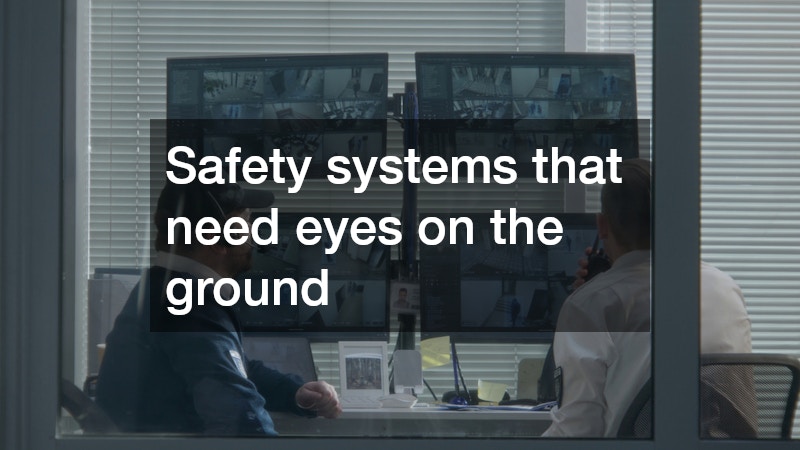
Physical safety is one of the hardest things to manage remotely, especially when it depends on equipment that requires regular monitoring. Fire suppression systems, sprinkler lines, alarm panels, and motion sensors all need periodic inspection, and small issues like a dead battery or a miscalibrated sensor often go unnoticed until they cause a real problem.
A commercial security camera system can provide some reassurance, but footage is only useful if someone is actually reviewing it or receiving alerts when something looks off. Many remote owners set up cameras and then rarely check them, which defeats much of the purpose. Even cloud-based systems with motion-triggered notifications can generate dozens of false alarms a week, and after a while those alerts get ignored entirely.
Some businesses try to solve this with third-party monitoring services, which add a recurring cost but ensure someone is watching around the clock. Others rely on local staff to do quick daily walkthroughs, checking that exits are clear, alarms are armed, and nothing looks visibly wrong. Without one of these fallback measures, safety systems tend to become a checkbox rather than an active layer of protection.
Electrical systems present a similar challenge. A commercial electrician may need to perform routine inspections, panel upgrades, or emergency repairs, but if no one on the remote team tracks completion of that work, it is easy to lose track of whether code requirements are being met. Multi-site operations often juggle different inspection cycles across locations, and a missed annual test or thermal scan can go unnoticed for months.
The risk compounds when documentation lives in scattered inboxes or paper folders instead of a shared system. A breaker panel flagged as “urgent” during one visit might not get revisited until the next scheduled service call, sometimes a full year later.
Keeping a maintenance log tied to your camera footage and electrical service records gives you a much clearer picture of ongoing risk. Cross-referencing timestamps lets you confirm that repairs actually happened as reported, not just that an invoice was submitted.
- Set up automated alerts (motion detection, door-open sensors, offline camera notifications) rather than relying on manual footage review
- Keep a digital log of electrical inspections and repairs with dates, technician names, and outcome notes so recurring issues are easy to spot
- Review camera coverage quarterly, or after any layout change, to make sure blind spots have not developed near entrances, stockrooms, or server closets
- Confirm emergency contacts are current for both security and electrical vendors, including after-hours numbers and backup technicians
- Assign a local point-of-contact at each site who can physically verify alerts within 30-60 minutes when remote staff cannot respond in person
Roof and building envelope issues rarely wait
Roofing problems are notorious for getting worse quietly before they become obvious. A small leak that goes unnoticed for a few weeks can lead to insulation damage, mold growth, or structural issues by the time anyone on-site reports it. Working with a reliable commercial roofing contractor who provides written inspection reports, rather than just a phone call summary, gives remote owners something concrete to review and file.
Seasonal inspections are especially important for flat or low-slope commercial roofs, which tend to show wear differently than sloped residential roofs. Requesting photos alongside every inspection report helps remote managers spot developing issues before they turn into emergencies. This kind of documentation habit is one of the simplest ways to close a visibility gap without adding much extra work.
Sustainability and waste practices slip through the cracks
Facilities with food service operations, whether a small break room kitchen or a full commercial kitchen, generate waste streams that need consistent management. Cooking oil recycling is a good example of a process that often gets overlooked when no one is physically checking on it regularly. Used oil that is not collected and recycled properly can lead to drain blockages, code violations, or unpleasant odors that affect tenants or customers.
Setting up a recurring pickup schedule with a licensed recycling service removes the guesswork and creates a paper trail that remote managers can review. Many providers offer service confirmations or digital logs, which makes it easy to verify that pickups are happening on time. This kind of small operational detail is easy to forget about until it becomes a bigger problem.
Marketing and communication materials get lost in the shuffle

Facility management is not only about pipes and roofs; it also includes the materials used to communicate with tenants, customers, or visitors. Many property teams still rely on having brochures printed for leasing packets, building directories, or event signage, and keeping that inventory stocked is easy to forget when you are not on-site to notice empty racks. Running out of printed materials during a tour or event can leave a poor impression on prospective tenants or clients.
A simple inventory check built into a monthly site visit or vendor visit schedule solves most of this problem. Assigning one point person to monitor printed material stock, rather than leaving it to whoever happens to notice, creates accountability. Small details like this contribute to the overall professional impression a property makes.
Building a visibility system that works for remote teams
Closing the visibility gap does not require constant on-site presence, but it does require intentional systems. Centralizing communication, documentation, and scheduling into one shared platform makes it far easier for a remote team to stay informed without depending on memory or scattered phone calls. The goal is to create a single source of truth that everyone, from vendors to on-site staff to the owner, can reference.
Regular check-ins, even brief ones, help surface small issues before they grow into expensive problems. Combining scheduled video walkthroughs with written reports from vendors gives remote managers a more complete picture than either method alone. Over time, these habits become second nature and significantly reduce the number of surprises.
- Use a shared digital calendar for all vendor visits and inspections
- Require photo or video documentation for completed work whenever possible
- Set recurring reminders for seasonal maintenance tasks like roofing and safety checks
- Designate a single point of contact on-site to reduce miscommunication
- Review maintenance and vendor logs monthly rather than waiting for problems to surface
Facility management visibility problems rarely stem from a single failure; they build up gradually from small gaps in communication, documentation, and follow-through. By identifying where those gaps tend to form, from vendor coordination to safety systems to everyday supplies, remote teams can put simple systems in place to stay informed. Start by reviewing how your current team tracks maintenance, security, and vendor work, and look for the one or two areas where information tends to get lost first. Addressing those weak points early will save time, money, and stress down the road.
