
Commercial real estate assets represent substantial financial investments that demand continuous oversight, technical knowledge, and methodical care. Managing a modern commercial facility involves far more than simply addressing sudden leaks or responding to unexpected equipment breakdowns. A well-designed facility maintenance checklist acts as a strategic roadmap, helping property managers protect physical infrastructure, manage operational costs, and maintain high safety standards across every square foot of the building.
When facility managers implement structured preventive schedules, they extend the operating lifespan of key building assets while eliminating costly emergency repairs. Commercial properties face constant wear from harsh weather exposure, heavy foot traffic, mechanical loads, and evolving municipal building codes. A proactive management approach balances daily operational needs with long-term capital improvement planning. By establishing regular inspection intervals and hiring reputable commercial cleaning companies to maintain indoor hygiene standards, building owners safeguard both tenant satisfaction and long-term property value.
Beyond basic aesthetic appeals, comprehensive maintenance directly affects corporate balance sheets and long-term asset valuations. Deferred maintenance often compounds into catastrophic structural failures or sudden equipment shutdowns that disrupt business operations. Operating a successful commercial facility requires clear coordination among specialized service providers, internal operations staff, and property executives. Maintaining clean, safe, and efficient surroundings keeps occupancy rates high while minimizing tenant turnover. This guide breaks down the essential maintenance domains every commercial property manager must monitor, providing a detailed checklist to keep properties running efficiently year after year. Strategic maintenance planning ensures long-term corporate viability.
Maintaining the Building Envelope and Roofing Systems
The exterior envelope serves as the primary barrier against natural elements, structural degradation, and thermal loss. Severe weather exposure causes gradual damage to roof membranes, flashing, gutters, downspouts, and exterior cladding. Establishing a quarterly envelope inspection routine prevents minor wear from evolving into major structural vulnerabilities across the entire property.
Roofing systems require constant vigilance due to their vulnerability to severe weather, standing water, and intense ultraviolet degradation. Property managers should arrange biannual roof inspections every spring and autumn. Working with a qualified roofing contractor allows building owners to identify ponding water, failing seam welds, compromised flashing, and drainage blockages before interior water intrusion occurs. Catching membrane punctures or clogged drains early prevents moisture from seeping into structural deck assemblies or compromising interior finishings. Inspecting membrane seams after heavy rain or windstorms helps spot minor failures before they rot structural framing timber or corrode metal decking materials.
Thermal efficiency also relies heavily on the condition of wall systems, window perimeter sealants, and ceiling cavities. Over time, moisture accumulation or material settling reduces the effectiveness of existing thermal barriers. Upgrading or reinforcing commercial insulation inside attic spaces, exterior walls, and mechanical chases minimizes unwanted heat transfer during extreme weather seasons. Adequate thermal barriers reduce stress on heating and cooling equipment while cutting monthly utility expenditures across large facilities. Keeping insulation dry, clean, and properly aligned preserves overall building energy performance for decades to come.
Parking Structures, Grounds, and Physical Accessibility
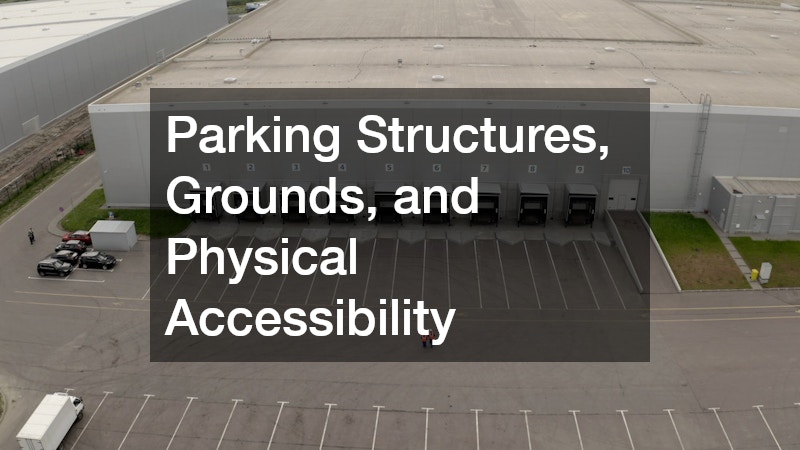
Exterior grounds and access points form the first impression for clients, tenants, and visitors. Safe, well-maintained parking structures and pedestrian walkways reduce liability risks while enhancing overall curb appeal. Asphalt surfaces and concrete pads endure continuous vehicle loads, chemical exposure, and seasonal freeze-thaw cycles that cause surface cracking and deep potholes.
Routine pavement management prevents minor surface cracks from developing into structural base failures over time. Partnering with professional commercial paving contractors ensures that parking lots, loading docks, and entry drives receive necessary sealcoating, asphalt patching, and crack filling. Promptly filling cracks prevents surface water from penetrating the sub-base layer, where frost action quickly destroys pavement stability during colder months. Regular sealcoating also protects petroleum-based asphalt binders from fuel spills and ultraviolet oxidation, extending pavement life considerably over standard operational lifespans.
Physical accessibility across all entryways, ramps, parking bays, and walkways remains a strict legal requirement for public facilities. Property owners must routinely review their site layout to maintain full compliance with state and federal accessibility regulations. Hiring a certified ADA compliance contractor ensures that curb cuts, ramp slopes, doorway clearances, and designated parking spaces satisfy current legal standards. Correcting non-compliant slopes or uneven transition strips prevents costly legal liabilities while ensuring safe access for all building visitors. Inspecting handrails, tactile paving blocks, and parking signage keeps facilities welcoming and fully accessible to everyone. Comprehensive site assessments protect overall real estate assets.
HVAC and Indoor Air Quality Management
Heating, ventilation, and air conditioning systems represent one of the largest capital expenditures and energy consumers in any commercial facility. Maintaining optimal indoor air quality and consistent thermal comfort is essential for workplace productivity, indoor environmental safety, and tenant retention. A neglected climate system consumes excessive energy, suffers frequent component failures, and distributes air contaminants throughout the workspace.
Seasonal mechanical maintenance requires expert technical oversight to keep equipment operating smoothly throughout the year. Facility teams should partner with an experienced commercial HVAC company to perform comprehensive seasonal tune-ups, filter replacements, compressor inspections, and airflow balancing. Regular maintenance preserves delicate compressor components, prevents condensate overflow, and keeps automated energy management systems properly calibrated. System technicians should also verify belt tension, clean evaporator coils, recalibrate digital thermostats, and test safety controls twice each year.
Glazing systems also play a vital role in controlling indoor thermal comfort and solar heat gain. Large glass facades generate significant cooling loads during sunny periods, forcing climate systems to work harder. Applying solar-grade commercial window film to exterior windows reduces solar heat transmission, minimizes glare, and shields interior furnishings from harmful ultraviolet radiation. This practical retrofit improves energy efficiency without replacing entire window assemblies. Modern window films also enhance occupant comfort near perimeter walls where temperature spikes routinely occur during peak summer months.
Plumbing Systems, Water Heating, and Waste Logistics
Plumbing networks and waste management logistics require disciplined operational oversight to support high daily occupancy levels. Facilities must supply consistent hot water, maintain sanitary conditions, and handle steady volumes of solid waste without interrupting daily business functions.
Water heating infrastructure in commercial properties operates under continuous demand. Facility engineers must schedule quarterly inspections of heating elements, expansion tanks, pressure relief valves, and circulation pumps. Partnering with a licensed technician to service the primary commercial water heater guarantees consistent water temperatures while mitigating the risk of tank corrosion or sudden tank failure. Regular flushing eliminates sediment buildup, protecting heat transfer surfaces and extending equipment life. Inspecting temperature mixing valves prevents scalding hazards while ensuring compliance with municipal health codes and safety mandates across the building.
Effective solid waste handling keeps loading docks clean, deters pests, and supports facility sustainability targets. Establishing a dependable schedule for commercial waste removal ensures that dumpsters, compactors, and recycling bins are emptied before overflowing. Property managers should regularly inspect waste storage zones, ensure proper dumpster enclosure sanitation, and coordinate specialized disposal streams for hazardous or bulk waste materials. Implementing clear recycling sorting protocols keeps dock spaces organized and lowers monthly landfill tipping fees over time. Well-managed utility infrastructure prevents unexpected budget overruns.
Electrical System Reliability and Infrastructure Inspections
Electrical systems form the nerve center of modern commercial structures, powering lighting networks, data centers, mechanical pumps, security systems, and life safety equipment. Electrical failures present severe operational downtime, financial losses, and elevated fire risks if ignored by building managers and operations staff.
Electrical distribution equipment requires annual thermal imaging and physical inspection. Engaging a certified commercial electrician allows facility teams to detect loose connections, overloaded circuits, harmonic distortion, and failing switchgear before components overheat. Routine electrical audits ensure that breaker panels, transformer vaults, emergency lighting units, and backup generators function reliably during power interruptions or peak loading conditions. Electrical contractors can also perform load balancing across phases to optimize power distribution throughout the facility.
Upgrading outdated lighting arrays to energy-efficient LED fixtures further reduces power consumption and lowers internal heat loads. Regular electrical checks also verify that surge suppression devices remain fully functional, shielding sensitive digital infrastructure from power spikes caused by utility fluctuations or lightning strikes. Keeping the electrical panel clearances completely free of stored items complies with national electrical safety standards and local fire codes.
Janitorial Services, Deep Cleaning, and Hygiene Standards
Maintaining high standards of indoor cleanliness directly impacts occupant health, employee morale, and public perception. Commercial facilities host hundreds or thousands of people daily, creating environments where dust, bacteria, and airborne allergens accumulate quickly if left unaddressed by cleaning crews.
Daily janitorial routines must be complemented by deep cleaning schedules tailored to high-traffic areas, rest facilities, food preparation zones, and common spaces. Contracting with professional commercial cleaning companies gives property managers access to specialized equipment, industrial floor scrubbers, HEPA vacuum filtration, and high-grade sanitization protocols. Professional cleaning crews help preserve flooring materials, maintain carpet integrity, and ensure hygienic surfaces across administrative offices and public restrooms. Sanitizing high-touch surfaces like elevator buttons, door handles, and stair handrails reduces workplace illness rates.
Janitorial oversight also extends to specialized surface care, such as hard floor waxing, deep carpet extraction, and interior architectural glass washing. Establishing clear cleaning performance benchmarks ensures that sub-contractors deliver consistent quality across all facility zones, protecting interior finishings from premature wear. Regular inspections of janitorial closets ensure chemicals are stored safely, labeled properly, and ventilated adequately to maintain organizational safety protocols.
Thermal Efficiency and Envelope Energy Upgrades
Energy efficiency initiatives and building envelope improvements work hand-in-hand to lower monthly operational costs. Reducing energy consumption not only lowers monthly utility bills but also aligns properties with modern corporate sustainability goals and regional energy efficiency mandates.
Re-evaluating thermal barriers inside the building envelope helps property managers uncover hidden energy losses. Adding high-performance commercial insulation along uninsulated mechanical piping, roof deck assemblies, wall cavities, and basement foundations dramatically curtails thermal bridging. Proper insulation maintains internal temperatures longer, allowing heating and cooling systems to cycle less frequently and operate with less mechanical strain. Insulating chilled water pipes and steam lines prevents condensation drips that damage ceiling tiles and foster mold growth over time.
In parallel with thermal insulation, treating perimeter glass with specialized commercial window film provides an immediate layer of solar heat defense. Modern films block excessive infrared radiation while preserving natural daylighting, reducing the need for artificial overhead lighting. Combining enhanced insulation with high-performance window treatments offers property owners one of the highest returns on investment among building envelope retrofits. Window treatments also add privacy and shatter resistance to ground-floor glass panels across the facility.
Vendor Management and Emergency Service Contracts
Building long-term relationships with qualified trade contractors simplifies facility management and ensures rapid response times during emergency events. Having trusted service partners on retainer eliminates panic when major equipment fails or severe weather strikes commercial properties.
A proactive facility manager establishes formal service agreements with specialized trade professionals across every mechanical and structural domain. Maintaining a standing contract with a reliable roofing contractor guarantees priority emergency service when severe storms damage roof membranes or cause sudden water leaks. Similarly, having a preferred commercial electrician on call ensures fast response times for power outages, emergency generator issues, or critical electrical panel repairs. Established vendor relationships often lead to favorable labor rates and preferred scheduling during peak service seasons.
Routine inspections performed by trusted contractors should be thoroughly documented in a centralized management system. Detailed service logs track historical repairs, warranty coverage, component age, and lifespan predictions, helping property managers prepare precise annual operating budgets and future capital reserve plans. Documented maintenance records also strengthen property valuation during refinancing or real estate sales transactions.
Long-Term Asset Preservation and Value Creation
Maintaining a commercial facility requires a balanced approach that combines daily operational discipline with long-term asset planning. From structural roofing down to sub-surface parking structures, every building system demands systematic monitoring and professional care from qualified experts.
Efficient property management also depends on maintaining clean, safe, and compliant exterior service areas. Coordinating with specialized commercial waste removal providers keeps back-of-house operations tidy, compliant with local sanitation ordinances, and clear of clutter. Clean service corridors prevent pest infestations, reduce safety hazards for delivery personnel, and improve overall operational efficiency. Prompt waste removal also eliminates odor issues around tenant loading bays and customer entrances across the development.
By following a structured maintenance checklist, commercial building owners safeguard their financial investment, reduce tenant turnover, and minimize unexpected capital expenditures. Consistent oversight, timely trade engagement, and disciplined maintenance scheduling ensure that commercial properties remain safe, efficient, and profitable assets for decades to come. Establishing preventive maintenance routines today guarantees sustainable operational success well into the future. Disciplined property management creates reliable returns for investors.
