

A job site accident can bring months of careful planning to a sudden halt, leaving homeowners and project managers scrambling to figure out what happens next. Beyond the immediate safety concerns, there are real questions about who covers the delays, repairs, and lost time that follow. Understanding the financial and legal responsibilities ahead of time can save you from costly surprises. This guide breaks down the key players, costs, and decisions involved when an accident throws your project off schedule.
Identifying Who Holds Responsibility for the Delay
When an accident happens on a job site, the first step is figuring out which party was actually responsible for the conditions that caused it. Liability often depends on contract terms, site safety protocols, and whether proper precautions were documented and followed. Insurance adjusters and attorneys typically start by pulling site logs, incident reports, and safety inspection records to establish a timeline of what happened and who was on site at the time. Several parties can end up holding some share of responsibility. The general contractor may be liable if oversight of daily operations was inadequate, while a subcontractor could be on the hook if their crew violated safety standards specific to their trade. Equipment operators or rental companies may share blame if machinery was poorly maintained or operated without proper certification, and architects or engineers can even be implicated if a structural design flaw contributed to the incident. Many homeowners assume the property owner automatically bears the cost, but that is rarely the case once subcontractors and equipment operators are involved. In most construction agreements, liability is distributed according to indemnification clauses and insurance requirements written into the contract, not simply by who owns the land. A property owner might only be responsible if they knew about a hazardous condition and failed to disclose it to the contractors working there. Because multiple parties often carry their own liability insurance, determining fault can take weeks and may involve third-party investigators. A delay caused by a scaffolding collapse, for example, might implicate the scaffolding supplier, the installation crew, and the general contractor simultaneously, each potentially covering a portion of the resulting costs and downtime.
Most construction contracts include clauses that outline responsibility for delays caused by accidents, including timelines for reporting incidents and who must cover related costs. These provisions often go by names like “force majeure,” “excusable delay,” or “notice of claim” clauses, and each handles liability differently depending on the cause of the accident. Reviewing these clauses before signing a contract can prevent confusion later, since the fine print often determines whether a delay is compensable or simply absorbed by one party. Pay close attention to notice requirements, as many contracts demand written notification within 48 to 72 hours of an incident or risk forfeiting the right to claim a delay extension. It’s also worth checking whether the contract distinguishes between delays caused by the general contractor, a subcontractor, or an outside party like a utility crew or delivery vehicle. Some agreements assign cost responsibility based on who had “control of the site” at the time of the accident, which can become a point of dispute if multiple trades were working simultaneously. If your agreement is vague on this point, it is worth asking for clarification before work begins. A short addendum specifying how accident-related delays will be documented, who bears the cost of downtime, and how disputes will be resolved can save weeks of back-and-forth later. Consulting a construction attorney to review these clauses, even briefly, is often a worthwhile investment compared to the cost of a contested delay claim.
- Review contract language around liability and delay penalties, including force majeure and indemnification clauses
- Confirm who is responsible for maintaining a safe work environment — often the general contractor under OSHA’s multi-employer citation policy
- Check whether the delay stems from an owner-caused issue, a design flaw, or a contractor’s failure to follow safety protocols
- Ask whether subcontractors carry independent liability coverage, and request certificates naming your company as additionally insured
- Request documentation of safety inspections before work starts, including dates, inspector names, and any flagged hazards
- Determine if a near-miss or prior incident report exists that could show a known risk went unaddressed
- Identify whether a third party, such as equipment lessors or delivery vendors, contributed to the unsafe condition
Evaluating the Role of Site Supervisors in Workplace Safety
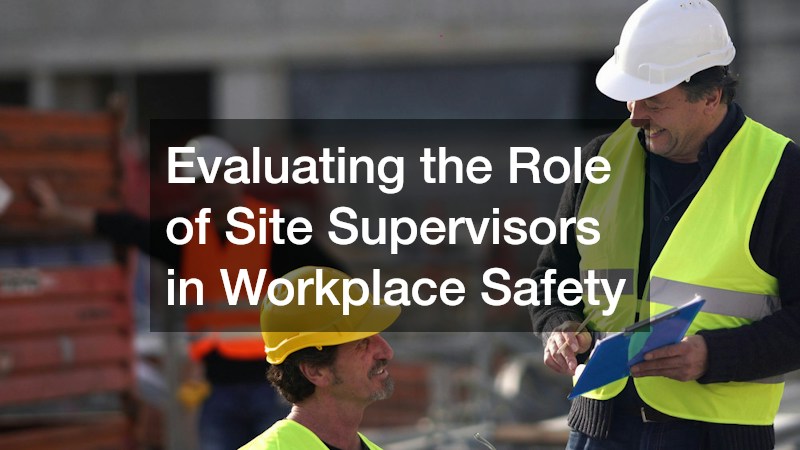
Commercial contractors are typically responsible for maintaining a safe working environment and ensuring that equipment and personnel meet safety standards. When an accident occurs, investigators often look closely at whether the contractor followed OSHA guidelines and maintained proper site supervision. A contractor’s insurance policy usually becomes the first line of coverage for injury claims and project delays caused by negligence.
It is reasonable for homeowners to ask contractors directly about their safety record and insurance coverage before a project begins. A reputable contractor will have no issue sharing proof of liability insurance and worker’s compensation coverage. This transparency can make a significant difference if an accident later disrupts your timeline.
Understanding How Heavy Equipment Incidents Affect Project Costs
Heavy machinery is one of the most common sources of job site accidents, and incidents involving equipment like a grader blade can cause both injury and significant property damage. When equipment malfunctions or is operated improperly, the resulting downtime can delay a project by days or even weeks while repairs are made and safety reviews are conducted. Equipment-related accidents often trigger separate insurance claims from the general liability policy covering the rest of the site.
Repair costs for damaged machinery are usually covered by the equipment owner’s insurance, but project delays caused by the incident may fall into a gray area depending on contract terms. Homeowners should ask whether their contract specifies how equipment-related delays are handled financially. Getting this in writing upfront avoids disputes if an incident does occur.
Determining When to Consult a Legal Professional
If you or someone involved in your project is injured on site, consulting an attorney early can help clarify your rights and financial options. Finding the best personal injury attorney for your situation often means looking for someone with specific experience in construction-related cases, since these claims involve unique regulations and liability structures. A knowledgeable attorney can also help determine whether delay-related losses can be recovered as part of a broader claim.
Many people wait too long to seek legal advice, assuming insurance alone will resolve the situation fairly. Unfortunately, insurance companies often aim to minimize payouts, which can leave property owners covering unexpected costs. Speaking with a legal professional soon after an incident ensures evidence is preserved and deadlines are not missed.
- Look for attorneys with construction accident experience
- Ask about their track record with delay-related damage claims
- Request a consultation to understand your legal options
- Confirm whether they work on contingency fees
Weighing the Impact on Moving and Logistics Schedules
Job site accidents do not just affect construction crews, they can also disrupt coordinated schedules involving other service providers. For example, if a renovation project is tied to a scheduled move-in date, commercial movers may need to adjust their timelines or incur storage fees while repairs are completed. These secondary costs are often overlooked but can add up quickly if the project stalls for an extended period.
Communicating proactively with any third-party vendors involved in your project can help minimize financial strain. Many moving and logistics companies are willing to adjust schedules with enough notice, especially if the delay is well documented. Keeping all parties informed reduces the risk of additional penalty fees stacking on top of accident-related costs.
Reviewing Insurance Coverage Gaps Before They Become a Problem

Standard liability insurance policies do not always cover every type of accident-related expense, which is why reviewing your coverage before a project starts is so important. Some policies exclude certain equipment types or limit coverage for delays caused by third-party contractors. Homeowners should request a summary of coverage limits and exclusions directly from their insurance provider.
It also helps to ask your contractor whether their policy covers project delays separately from injury claims, since these are often treated as distinct categories. Clarifying this distinction early can prevent confusion about who pays for lost time versus who pays for medical or repair costs. A short conversation now can save significant stress later.
- Ask about exclusions related to equipment and subcontractor work
- Confirm whether delay costs are covered separately from injury claims
- Request written confirmation of coverage limits
- Review your own homeowner’s policy for overlapping protection
Choosing the Right Legal Support After an Accident
Not all legal representation is the same, and choosing wisely can directly affect how much of your financial loss is recovered. Personal injury lawyers who specialize in construction site incidents understand how to calculate damages that include project delays, not just medical expenses. This distinction matters because delay-related losses can sometimes exceed the cost of the injury itself, especially on larger projects.
When researching your options, take time to compare experience, communication style, and case history before making a decision. Some of the best accident attorneys offer free initial consultations, which gives you a low-risk way to understand your potential claim before committing. Taking this step early can make the difference between absorbing the loss yourself and recovering what you are rightfully owed.
Job site accidents are stressful enough without the added uncertainty of who will cover the resulting delays and expenses. By understanding contract terms, insurance coverage, and your legal options ahead of time, you can respond quickly and confidently if an incident occurs. Take the time now to review your agreements and ask the right questions before problems arise. Being proactive today is the best way to protect both your project timeline and your finances tomorrow.
