
Owning a commercial property today looks very different from what it was even a decade ago, with rising material costs, tighter safety codes, and unpredictable maintenance needs reshaping what it actually costs to keep a building running. If you’re weighing a purchase, budgeting for upkeep, or just trying to understand where your money goes each year, it helps to know which expenses are fixed, which are negotiable, and which sneak up on owners who aren’t prepared.
This guide breaks down the major cost categories so you can plan with confidence instead of guessing.
Why Commercial Property Costs Have Changed So Much
If you own a commercial building or are thinking about buying one, you have probably noticed that the numbers look very different than they did just a few years ago. Interest rates climbed sharply starting in 2022, and since most commercial properties are bought with variable-rate loans or shorter loan terms than a typical home mortgage, owners are refinancing into payments that can be two or three times higher than before.
At the same time, insurance premiums for commercial buildings have jumped dramatically in many regions because of more frequent severe weather, higher rebuilding costs, and insurers pulling back from riskier areas altogether. Add to that higher property tax assessments, since many local governments reassess commercial values on a lag and are now catching up to years of rising real estate prices, and the monthly cost of simply holding a piece of commercial property has grown far faster than rents in many markets.
On top of financing and insurance, the physical cost of maintaining a building has gone up too. Construction materials, skilled labor, and equipment like HVAC systems and elevators all cost more to repair or replace than they did before the pandemic disrupted supply chains. Meanwhile, demand patterns have shifted: office buildings in particular have seen lower occupancy as remote and hybrid work became permanent for many companies, which reduces the income a property generates even as the costs to operate it keep climbing.
This combination (higher borrowing costs, pricier insurance, rising taxes, and softer demand in certain property types) is why owning commercial real estate feels like a fundamentally different financial proposition than it did a decade ago, and why many owners are rethinking whether their properties still make financial sense.
Understanding Local Codes and Approval Requirements
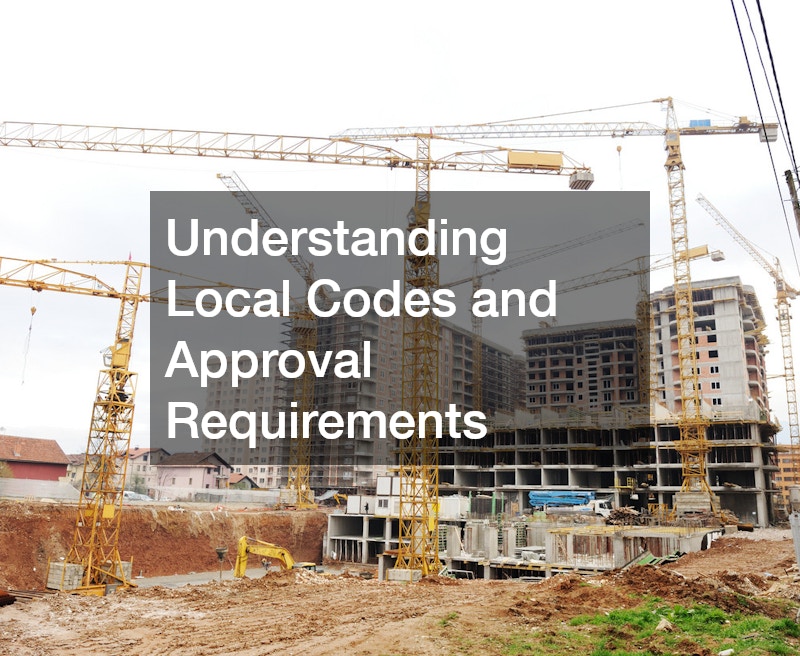
Every commercial property sits inside a web of local rules that directly affects what an owner can build, renovate, or even repurpose, and those rules have become more expensive to navigate as cities update zoning to address density, energy use, and accessibility. Before you assume a property can be converted to a new use or expanded to add rentable square footage, it pays to check with the local planning or zoning office, because a change that seems minor on paper, like adding a loading dock or converting office space to retail, can trigger a full review process. Building permits are often required even for work that doesn’t look structural, such as upgrading electrical systems or replacing HVAC equipment, and skipping this step can lead to fines, forced removal of completed work, or complications when you eventually sell.
Owners who plan ahead tend to save significant time and money compared to those who discover code issues mid-project. A few things worth confirming early include:
- What the property’s current zoning classification allows, and whether your intended use fits within it
- Whether the building is in a historic district or overlay zone with extra design restrictions
- Which permits are required for the specific scope of work, including electrical, plumbing, and structural changes
- How long the local approval process typically takes, since timelines vary widely by jurisdiction
- Whether recent code updates, such as stricter energy efficiency or accessibility standards, apply to your building
Taking the time to research these requirements before committing capital to a purchase or renovation helps you budget realistically and avoid the kind of costly surprises that can quietly erode the return on a commercial property investment.
Protecting the Building Envelope Over Time
The roof and exterior walls of a commercial building are often the single largest capital expense an owner will face, yet they tend to get attention only after a problem already exists. Membrane roofing systems, for example, typically carry a 15 to 25 year lifespan, but that range assumes regular inspection and maintenance rather than a hands-off approach. Small issues like ponding water, cracked flashing, or minor punctures rarely cause immediate damage, but left unaddressed, they lead to slow moisture intrusion that rots decking, damages insulation, and eventually compromises interior finishes and equipment.
Because commercial roofing systems differ significantly from residential ones in materials, drainage design, and repair techniques, many owners bring in a commercial roofer periodically to assess wear patterns before they become structural problems, rather than waiting for a leak to force an emergency call.
The economics of this shift matter because deferred maintenance almost always costs more than proactive care. A localized repair might run a few hundred to a few thousand dollars, while a full roof replacement driven by neglect can reach well into six figures depending on the building’s size. The same logic applies to walls, sealants, and windows, since gaps in the building envelope drive up heating and cooling costs even before visible damage appears.
Owners looking to protect their investment should watch for:
- Interior water stains or discoloration on ceilings near roof lines
- Visible sagging, blistering, or bubbling on the roof surface
- Cracked, missing, or deteriorated caulking around windows and joints
- Rising utility bills that suggest air leakage through the envelope
- Debris accumulation or standing water in drainage areas after storms
Catching these signs early keeps repair costs predictable and extends the useful life of major building systems.
Managing Climate Control and Energy Efficiency
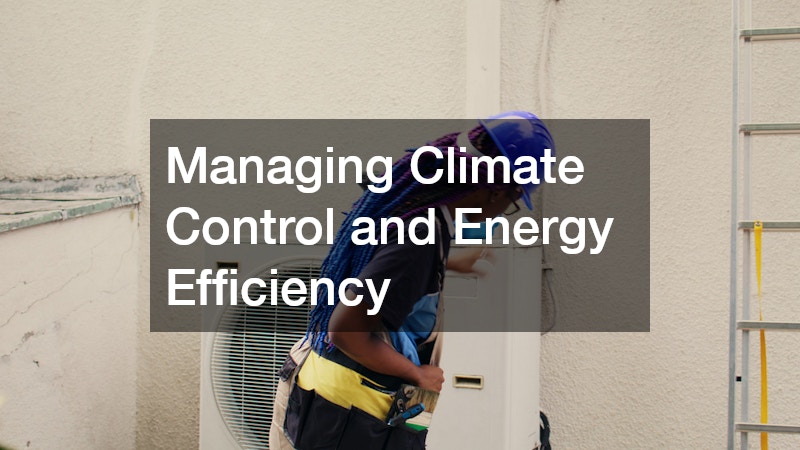
Heating and cooling costs have quietly become one of the biggest line items in owning commercial space, and that shift is changing how owners think about long-term value. A building with an aging rooftop unit or outdated ductwork doesn’t just cost more to run every month; it also becomes harder to lease at competitive rates, since tenants increasingly ask about utility expenses before signing anything. Simple choices, like programmable thermostats, zoned systems that let different areas of a building heat or cool independently, and regular filter and coil maintenance, can meaningfully reduce energy waste without requiring a full system overhaul. Even small adjustments, such as sealing gaps around windows and doors or upgrading insulation in older buildings, often deliver noticeable savings relative to their cost.
For bigger decisions, like replacing an entire HVAC system or redesigning airflow across multiple units, it helps to get a clear picture of the building’s actual energy usage before committing to anything. Many owners find it useful to request an energy audit, which identifies where heat or cooling is escaping and which equipment is underperforming relative to its age. Commercial HVAC contractors can also offer insight into how newer, higher-efficiency systems might pay for themselves over time through lower utility bills and fewer repair calls, though owners should weigh that against upfront costs and how long they plan to hold the property.
Utility rebate programs and tax incentives for energy-efficient upgrades are worth researching too, since they can offset a meaningful portion of the investment. Ultimately, treating climate control as an ongoing part of property management, rather than something to address only when a system fails, tends to protect both operating budgets and the building’s appeal to future tenants or buyers.
Powering the Property Safely and Reliably
Electrical systems are one of those behind-the-walls costs that quietly shape a property’s long-term value, yet they rarely get attention until something fails. Older commercial buildings were often wired for a fraction of the load that modern tenants now demand, from server rooms and point-of-sale systems to EV chargers in the parking lot. When capacity falls short, owners face a choice between costly upgrades or losing tenants to buildings that can actually support their operations. Understanding your building’s electrical capacity, panel age, and load history is now as important as knowing its square footage, because it directly affects what kind of businesses can realistically operate there and how much you can charge in rent.
Safety and code compliance add another layer of complexity, since electrical standards change over time and older installations may no longer meet current requirements, even if they still technically work. This becomes especially important when a space changes hands or gets renovated, since permitting offices often require an inspection before new wiring or equipment can be signed off. A licensed commercial electrician can help translate these requirements into a clear picture of what needs updating and in what order, which is useful information for budgeting rather than reacting to surprises later.
Many owners are also weighing energy efficiency upgrades, like LED retrofits or smarter metering, against their upfront cost and the speed at which utility savings pay them back. These decisions are rarely just about power itself; they ripple into insurance premiums, tenant satisfaction, and resale value. Treating electrical infrastructure as a strategic asset, rather than a maintenance afterthought, gives owners a clearer sense of what their property can support today and what it will take to keep it competitive as demands on the grid keep growing.
Meeting Fire and Life-Safety Standards
For anyone who owns a commercial building, fire and life-safety compliance is one of the least visible but most expensive parts of ownership. Codes are updated periodically at the local and state level, and older buildings are often required to retrofit systems that were never mandatory when the property was first constructed. This means a building that passed inspection a decade ago may now need upgraded sprinkler coverage, updated exit signage, or a full fire alarm installation to meet current standards. These costs tend to surface at the worst possible times, such as during a lease renewal, a change in occupancy type, or a routine inspection triggered by a neighboring property’s incident.
Budgeting for these requirements before they become urgent is one of the smartest moves an owner can make, since emergency retrofits are almost always more expensive than planned upgrades. It also helps to understand which building factors most commonly trigger compliance reviews, so surprises can be minimized.
Common triggers that prompt a fire and life-safety reassessment include:
- Changing tenants from one occupancy classification to another, such as office to retail
- Adding square footage or converting unused space into usable rooms
- Installing new commercial kitchen equipment or storage for flammable materials
- Reaching a certain building age where local codes require mandatory system updates
- Failing a routine fire marshal inspection due to outdated alarm or suppression equipment
Staying ahead of these issues, rather than reacting to a violation notice, generally preserves more control over both timing and cost.
Comparing Waste Handling Needs for Commercial Sites
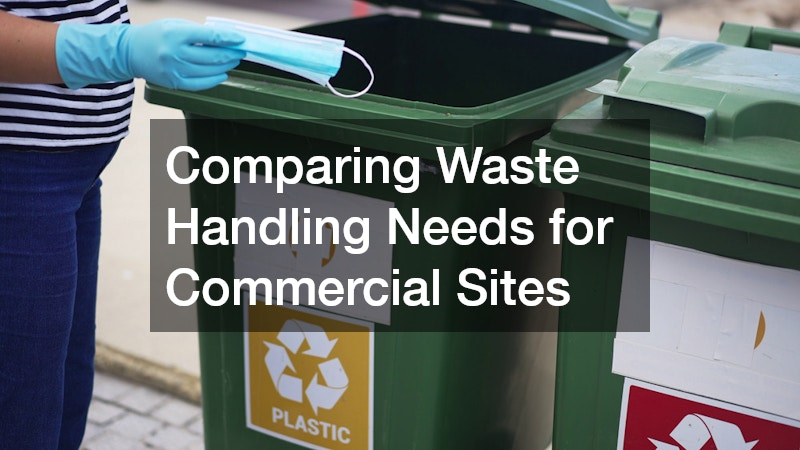
One overlooked expense in commercial property ownership is waste management, and it works very differently than what most people are used to at home. Residential curbside trash pickup is designed around small, predictable volumes generated by a household each week, with a municipal truck handling collection on a set schedule for a flat fee. Commercial sites rarely fit that model. A retail strip, restaurant, or office building can produce inconsistent and much larger volumes of waste depending on business type, customer traffic, and even seasonal shifts, which is why many property owners end up relying on dumpster rentals or scheduled bin services sized to the specific tenant mix rather than a one-size-fits-all pickup plan. Getting the sizing and frequency wrong in either direction quietly eats into the property’s operating margin.
Before assuming a property’s waste setup is adequate, it helps to evaluate it against the realities of commercial use rather than residential habits. Consider the following when reviewing a site’s needs:
- Peak volume, not average volume: base capacity on the busiest week, not a typical one, to avoid overflow fines or missed pickups
- Waste type mix: cardboard, food waste, and general trash often need separate handling or recycling streams, especially for retail and food service tenants
- Tenant turnover: new businesses moving in may generate short-term surges from renovations or move-out cleanouts
- Access and placement: collection areas need to be reachable by service vehicles without blocking parking, deliveries, or fire lanes
- Contract flexibility: month-to-month or adjustable-frequency terms let owners scale service up or down as occupancy changes
The Role of Visibility and Branding in Property Value
When you own a commercial building, its value isn’t just tied to square footage or the condition of the roof and HVAC system. Visibility from the road, proximity to foot traffic, and how easily a location can be branded all factor into what a tenant or buyer is willing to pay. A property tucked behind another building or lacking street presence often rents for less, regardless of how updated the interior might be, simply because businesses need to be seen to attract customers. This is why corner lots, spaces with clear sightlines from major intersections, and buildings that allow for prominent business signs tend to hold their value better over time, even in markets where overall commercial demand is softening.
Branding potential matters just as much as raw visibility. A space that lets a tenant install signage that reflects their identity, whether that’s a distinctive storefront, exterior lighting, or a monument sign near the road, gives that tenant a reason to commit to a longer lease and invest in the location. Local zoning and sign ordinances play a real role here, so if you own or are considering buying commercial property, it’s worth researching what signage restrictions apply before assuming a space will support strong branding. Some municipalities limit sign height, illumination, or square footage in ways that can quietly shrink a property’s appeal to retail or restaurant tenants.
Owners who understand these rules, and who invest in maintaining clear visibility from nearby roads, often find their properties command steadier interest and better lease terms than comparable buildings where signage options are limited or unclear.
Planning for Renovations and Structural Upgrades
When property values shift and tenant expectations rise, many owners find that renovating an existing building is more cost-effective than starting from scratch, but that math only works if you budget realistically. Structural upgrades, such as reinforcing floors for heavier equipment or opening up a facade for better street visibility, often involve costs that go beyond what a typical interior remodel would require. For example, if a project involves lifting rooftop HVAC units or installing steel beams above an occupied space, you may need to budget for a crane rental, which can add thousands of dollars and require coordinating street closures or permits depending on your city.
Similarly, if your renovation calls for custom staircases, railings, or structural brackets that do not come in standard sizes, you might end up working with custom metal fabrication companies, and those lead times can stretch a project timeline by weeks if not planned for early.
Before committing to a renovation budget, it helps to walk through a checklist so you are not blindsided by costs that only surface once demolition begins.
- Get a structural engineer to assess load-bearing walls, foundations, and roof capacity before finalizing any design
- Ask contractors for a written breakdown of equipment costs, including any heavy lifting or specialty rental needs
- Confirm whether your renovation requires custom-built components versus off-the-shelf materials, since custom work affects both cost and timeline
- Factor in permit review times, which vary widely depending on how much the project changes the building’s structure
- Set aside a contingency fund of at least ten to fifteen percent for unexpected issues hidden behind walls or under flooring
Building a Realistic Long-Term Ownership Budget
A realistic ownership budget has to look well beyond the mortgage payment, property taxes, and insurance premium that typically show up in a purchase decision. Commercial buildings carry ongoing costs for roof and HVAC replacement, parking lot resurfacing, elevator servicing, and code-driven upgrades that can appear with little warning, and these expenses tend to arrive in large, irregular lumps rather than predictable monthly amounts. A useful approach is to estimate annual reserve contributions based on the age and condition of major building systems, setting aside funds equal to a percentage of the property’s value each year specifically for capital repairs, separate from routine maintenance and day-to-day operating costs. Owners who skip this step often find themselves financing emergency repairs at unfavorable terms, which quietly erodes the returns they expected when they first bought the property.
It also helps to build in a buffer for vacancy and income disruption, since even well-maintained buildings sit empty between tenants or lose income during renovations. A common practice is to assume a vacancy allowance of several percentage points of expected rental income annually, adjusted based on local demand and the type of property involved, so that a slow leasing period does not force a scramble to cover fixed costs. Property taxes and insurance also deserve their own line of scrutiny, since both tend to rise faster than general inflation in many regions, driven by reassessments, climate-related risk pricing, and local budget pressures.
Building these variables into a multi-year projection, rather than a single snapshot of current costs, gives owners a much clearer picture of whether a property will remain financially sustainable through an entire ownership cycle rather than just its first few years.
Conclusion
The economics of commercial property ownership will keep shifting as codes, materials, and energy costs evolve, but owners who understand these moving parts are far better positioned to protect their investment. Rather than reacting to surprise expenses, use what you’ve learned here to build a maintenance and budgeting plan that accounts for the full lifecycle of your property. Start by identifying which of these cost categories apply most directly to your situation, then research further so you can make informed, confident decisions going forward.
