

Acquiring a new commercial real estate asset marks the beginning of an exciting corporate chapter. Whether the property is a sprawling suburban office complex, a busy metropolitan retail strip, or a massive industrial distribution center, the onboarding phase dictates the long-term viability of the investment. Unfortunately, many property management groups and institutional investors execute the financial closing with precision but struggle during the physical transition of the facility. Transitioning a building from a previous owner requires far more than just transferring utility bills and copying master keys. It demands a systematic framework designed to uncover hidden maintenance liabilities, ensure regulatory safety compliance, and elevate the property to modern operational standards.
A fragmented onboarding process often leads to immediate tenant friction, unexpected system failures, and expensive emergency repairs that drain capital reserves early in the ownership cycle. To prevent these preventable headaches, establishing a comprehensive property takeover checklist is mandatory. This operational guide provides asset managers with a repeatable, step-by-step roadmap to audit, repair, clean, and optimize every square foot of their new acquisition from the property line to the rooftop. True operational readiness involves looking at the facility as a complex ecosystem where every component impacts the next. From the outdoor landscaping to the internal server rooms, every system must be thoroughly scrutinized to minimize risks and maximize asset value.
Phase 1: Evaluating Curb Appeal and Parking Assets

The onboarding sequence begins at the outermost boundary of the property, where first impressions are formed. Prospective tenants, visiting clients, and daily workers form an immediate opinion about a business based entirely on the external condition of the facility. A cracked, faded, or pothole-ridden driving surface instantly communicates a narrative of property neglect, lowering the perceived value of the entire enterprise. In addition, damaged asphalt represents a serious liability issue, creating trip hazards for pedestrians and risking structural damage to customer vehicles.
During the initial weeks of a property takeover, management must perform a thorough physical assessment of all driveways, loading docks, and parking stalls. If the inspection reveals widespread structural cracks, pooling water, or failing sub-base layers, hiring a reputable parking lot paving contractor is an essential priority. A qualified paving professional can assess the underlying integrity of the driving surface, execute targeted asphalt overlays, and patch deep potholes before they spread. Following the structural repairs, applying a fresh layer of sealcoating protects the new asphalt from harsh weather conditions, oil spills, and ultraviolet oxidation. Crisp, bright directional lines should then be painted to optimize traffic flow and ensure compliance with local accessibility regulations. Investing in high-quality asphalt maintenance early in the property transition preserves the longevity of the driving lanes and establishes an undeniable standard of professionalism.
Phase 2: Updating Exterior Branding and Architectural Glass
Once the driving surfaces are smooth and safe, the management team must shift its attention to the building envelope and visual identity. The exterior facade functions as a physical reflection of the brand identity for every business operating inside the structure. Outdated, broken, or poorly illuminated signage can make a modern facility look completely abandoned. To combat this, a critical item on the takeover checklist involves removing the previous owner’s branding and designing a modern look.
Commissioning a professional team to build and install a custom sign at the primary entrance or on the main building facade provides an immediate boost to local visibility. A well-designed architectural sign improves wayfinding for first-time visitors and signals to the local market that the property is under active management. However, a beautiful new emblem loses its psychological impact if it is surrounded by dirty, neglected architectural elements. Over months of exposure, exterior windows accumulate layers of exhaust soot, mineral deposits, and seasonal grime that dull the appearance and block natural light. Scheduling a professional commercial window cleaning service during the onboarding phase resolves this issue quickly. Expert window cleaners possess the specialized rigging, water-fed poles, and eco-friendly cleaning agents required to safely clean multi-story glass without disrupting daily business operations. Clean glass and sharp branding work together to transform a dated facade into a modern landmark.
Phase 3: Auditing Electrical Infrastructure and Safety
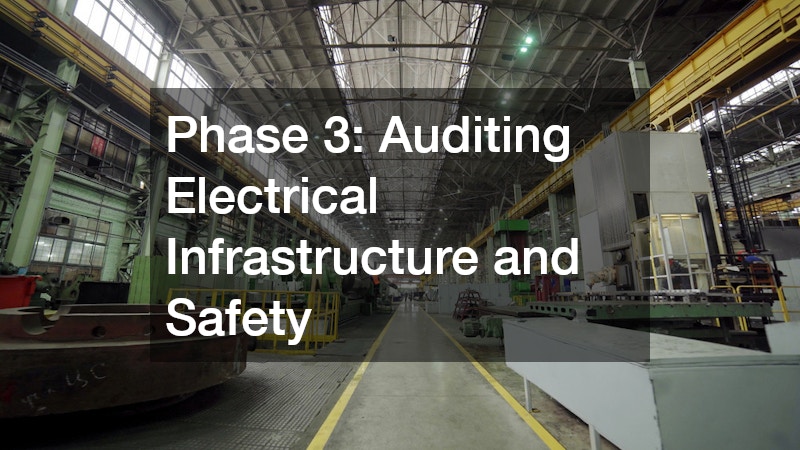
Moving inward from the building envelope, the onboarding checklist transitions from cosmetic enhancements to critical utility infrastructure. The hidden mechanical and power systems within a commercial property are the true engine of daily business operations. Neglecting these systems during a facility transition can lead to catastrophic operational shutdowns or severe safety hazards. The building electrical grid requires immediate, specialized attention from day one.
A comprehensive audit should look beyond simple wall switches and light fixtures to examine main breaker panels, transformers, emergency backup generators, and surge protection systems. Contracting an experienced team to provide electrical services ensures that the facility can safely handle modern power demands without overloading the circuitry. Certified electricians use advanced thermal imaging cameras to locate hidden hotspots within electrical panels, identifying loose connections or failing breakers before they trigger a costly electrical fire. They also verify that emergency exit signage, backup battery systems, and outdoor security lighting operate flawlessly in accordance with municipal safety codes. This infrastructure review is particularly critical in older properties or facilities that are transitioning into high-density tech spaces or light manufacturing plants. Ensuring a stable, safe, and code-compliant electrical distribution system provides property managers with peace of mind and gives tenants the reliable power required to sustain uninterrupted daily production.
Phase 4: Optimizing Thermal Comfort and Ventilation Systems
Parallel to the power grid, the climate control infrastructure represents one of the largest operational expenses and potential sources of tenant dissatisfaction in any commercial property. A malfunctioning climate system can cause immediate complaints, reduce indoor air quality, and drive energy bills to historic highs. To establish an efficient baseline, property managers must engage a trusted HVAC contractor to run a complete diagnostic analysis on the entire heating, cooling, and ventilation network.
This technical inspection includes checking refrigerant levels, testing compressor efficiency, cleaning dirty condenser coils, and calibrating digital thermostats across various building zones. The contractor should also examine the ductwork for leaks or insulation damage that allows conditioned air to escape into unconditioned ceiling plenums. Additionally, replacing aged, clogged air filters with modern high-efficiency particulate air filters is a simple yet vital step to improve indoor air quality and protect sensitive mechanical components from dust buildup. Developing a preventative maintenance agreement with a certified technician during the onboarding phase ensures that seasonal switchovers between heating and cooling cycles occur smoothly without emergency service interruptions. A well-maintained climate control system prolongs the operational lifespan of expensive rooftop machinery, slashes monthly energy consumption, and provides a consistently comfortable indoor environment that keeps commercial tenants happy and focused on their work.
Phase 5: Mass Site Clearance and Bulk Debris Removal
Once the core utility systems are stabilized, the physical layout of the interior spaces must be addressed. It is remarkably common for newly acquired commercial properties to contain substantial amounts of left-behind materials from previous occupants. Vacant office spaces, hidden storage closets, and expansive warehouse floors are frequently cluttered with broken office furniture, obsolete computer monitors, abandoned pallet racking, and general commercial waste.
This accumulation of debris compromises safety by blocking fire lanes, restricts access to utility shut-off valves, and obscures the true condition of the floors and walls. Clearing out this chaotic mess is an operational prerequisite before any real interior renovation or tenant move-in can begin. Facility managers should coordinate with professional junk removals teams to execute a swift, total cleanout of the premises. Utilizing an experienced commercial hauling service ensures that heavy, bulky items are removed safely without causing accidental damage to door frames, drywall, or structural columns. Professional haulers understand how to properly sort electronic waste, hazardous chemicals, and recyclable metals, diverting substantial amounts of material away from local landfills and helping the management company meet its internal environmental goals. Removing this physical debris clears the way for future workspace design and allows structural inspectors to view the bare concrete slab for any signs of settling or cracking.
Phase 6: Applying Heavy-Duty Industrial Coatings
With the interior spaces completely cleared of debris, the onboarding checklist transitions to long-term surface preservation and safety enhancements. Industrial spaces, manufacturing wings, loading docks, and high-traffic corridors face extreme physical stress on a daily basis. Raw concrete floors and exposed steel beams are highly susceptible to moisture damage, chemical spills, and mechanical abrasions from forklifts and heavy carts. Standard commercial wall paint simply cannot withstand this level of environmental punishment.
To protect these vulnerable structural surfaces, management must invest in professional industrial painting during the facility transition period. Applying high-performance epoxy floor coatings creates a seamless, non-porous barrier that resists oil stains, chemical corrosion, and heavy impacts while remaining exceptionally easy to wash. On structural steel and overhead piping networks, rust-inhibiting primers and durable polyurethane topcoats prevent oxidation and preserve structural integrity over decades of use. Beyond simple protection, specialized coatings can be utilized to implement critical safety protocols within an industrial environment. Professional painters can apply safety striping on floors to clearly mark pedestrian paths, forklift lanes, and emergency exit clearance zones. Bright, reflective coatings on walls and ceilings also maximize the efficiency of existing light fixtures, creating a safer, more alert workspace for employees. Partnering with a specialized painting firm during the onboarding phase ensures proper surface preparation and material selection for a long-lasting finish.
Phase 7: Deep Interior Cleaning and Carpet Restoration
While industrial warehouse zones require rugged chemical coatings, the administrative offices, corporate suites, and customer-facing lobbies demand an approach focused on comfort, health, and pristine aesthetics. The primary flooring choice in modern office settings is commercial-grade carpeting, which provides excellent acoustic insulation and underfoot comfort. However, carpet fibers act as a giant filter, trapping daily dirt, airborne dust, outdoor pollen, and accidental food spills deep within the pile. Over years of steady use, standard vacuuming becomes insufficient, leaving carpets looking faded, heavily stained, and emitting a subtle, stale odor that pollutes the indoor air quality.
During a property takeover, restoring these soft surfaces to like-new condition is paramount. Hiring a specialized office carpet cleaner to perform a deep hot-water extraction or low-moisture cleaning treatment is highly recommended. This restorative process reaches deep into the backing of the carpet, lifting embedded grit that cuts carpet fibers and causes premature wear. Removing these deep stains and neutralizing odors instantly rejuvenates the appearance of conference rooms and private offices, making a positive impression on prospective tenants. Regular professional extraction treatments not only improve visual appeal but also drastically improve indoor air quality by removing allergens, which supports a healthier workplace. Taking the time to properly sanitize and restore office carpets during the transition phase extends the lifespan of the flooring, saving ownership thousands of dollars in replacement costs.
Phase 8: Long-Term Upkeep Strategies and Team Coordination
The initial heavy lifting of a commercial property takeover lays an incredible foundation. However, maintaining this elevated standard over the lifespan of the asset requires a transition from one-time projects to permanent operational systems. A single deep clean will quickly degrade without an organized daily maintenance strategy. Securing a reliable contract with a professional janitorial service is the final critical step on the onboarding checklist.
A dependable cleaning crew handles the continuous daily tasks that keep a facility running smoothly, such as sanitizing shared restrooms, emptying trash receptacles, polishing lobby floors, and wiping down high-touch communal surfaces. This ongoing care prevents the gradual buildup of dirt, protects newly restored assets, and provides a safe environment for all occupants. Additionally, a professional cleaning team serves as an early-warning system for building maintenance, identifying minor repair needs like slow drains or loose fixtures before they become major emergencies.
To complement these daily operational systems, property managers must also focus on aligning the onsite personnel who manage the facility. The building technicians, security officers, and customer service staff represent the human element of the management brand. Creating a cohesive, professional team identity requires clear visual organization. Utilizing an experienced screen printing service to produce customized, professional apparel for all onsite staff ensures that employees are easily identifiable to tenants and visitors alike. Branded shirts and durable safety vests improve building security by making it instantly obvious who belongs in restricted mechanical spaces. When the physical cleaning schedules and the on-site human operations are fully synchronized, the property onboarding process is complete, and the asset is primed for long-term performance.
