
Every property owner and business leader knows that a single unexpected event, whether a break-in, a burst pipe, or a lawsuit, can quietly drain profits and threaten years of hard work. Protecting your bottom line means thinking beyond daily operations and building a plan that covers your finances, your physical space, and your legal exposure. This guide walks through the practical, non-negotiable elements of commercial risk management so you can make informed decisions about where to invest your time and money. You do not need to be an industry expert to understand these basics, just willing to take a proactive approach before problems arise.
Getting Your Financial House in Order
One of the most overlooked aspects of risk management is simply knowing your numbers. Many property owners focus so heavily on physical upkeep — repairs, maintenance schedules, security systems — that they forget financial oversight is just as critical to protecting long term stability. A leaking roof is obvious; a slow erosion of profit margins often isn’t, and by the time it shows up on paper, it may have already cost you thousands.
Working with experienced business accountants can help you spot cash flow problems early, plan for tax obligations, and understand which expenses are actually protecting your investment versus draining it. For example, a proper review might reveal that you’re paying for redundant insurance coverage in one area while remaining dangerously underinsured in another. It can also flag seasonal revenue dips before they become emergencies, giving you time to adjust staffing, renegotiate vendor terms, or set aside reserves.
Beyond the day-to-day bookkeeping, this kind of financial oversight should include regular reviews of key metrics: operating margin, debt-to-income ratio, and accounts receivable turnover, at minimum. Comparing these figures quarter over quarter, rather than just at year-end, makes it far easier to catch a troubling trend while it’s still manageable. Ultimately, treating financial reviews with the same discipline as physical maintenance inspections is what separates businesses that survive a downturn from those that don’t.
Beyond bookkeeping, accountants can help you model out worst-case scenarios, such as a slow season, a major client canceling a contract, or an unexpected repair bill, so you are not caught off guard when cash flow tightens. A good advisor will run the numbers on what a three- to six-month revenue dip would actually do to your operating budget, not just estimate it in the abstract.
They can also advise on how much to set aside in reserves based on your property type and industry. A retail storefront with aging HVAC systems might need a different reserve strategy than a professional services firm with minimal physical assets, for instance.
As a general guideline, many advisors recommend keeping three to six months of operating expenses in reserve, though businesses in seasonal or high-repair industries, like restaurants or manufacturing, often need closer to nine months to safely weather a slow stretch or an equipment failure.
- Ask for quarterly financial reviews, not just annual tax filing, so cash flow issues surface within 90 days instead of 12 months
- Track maintenance and repair costs separately from operating expenses to spot equipment nearing end-of-life before it causes a costly failure
- Build a cash reserve equal to at least three months of fixed costs — rent, payroll, insurance, and loan payments — held in a liquid, low-risk account
- Request a risk assessment tied to your specific revenue patterns, factoring in seasonal dips, customer concentration, and payment cycle delays
- Review accounts receivable aging monthly and flag any invoice unpaid past 60 days for follow-up
- Set a trigger point, such as a 10% revenue drop for two consecutive quarters, that automatically prompts a deeper financial review
Locking Down Entry Points and Access
Physical security starts with the basics, and doors are often the weakest link in a property’s defense. A reliable commercial locksmith can assess your current lock systems, identify outdated hardware, and recommend upgrades like high-security cylinders or electronic access control. This is especially important for properties with multiple tenants or high foot traffic, where key control can quickly become unmanageable.
Equally important is the condition of the doors themselves. Partnering with a trusted commercial door company ensures that entry points are not just locked but structurally sound, properly sealed, and compliant with fire and safety codes. Weak door frames or damaged hinges can undermine even the best locking systems, so both elements need regular attention.
- Rekey locks whenever staff or tenants change
- Inspect door frames and seals annually for wear
- Consider keyless entry for shared or high traffic entrances
- Keep a written log of who holds keys or access codes
Addressing Vulnerabilities in Windows and Glass
Glass surfaces are a common source of both energy loss and security risk, yet they are frequently ignored until something breaks. Commercial glass contractors can evaluate storefronts, windows, and glass partitions to determine whether they meet current safety standards, including impact resistance and proper sealing against weather. This is particularly relevant for retail spaces or ground-floor offices where large glass panels are more exposed to accidental damage or break-ins.
Regular inspection of glass installations can also reveal early signs of seal failure, which often leads to costly energy waste over time. Addressing small cracks or chips quickly prevents them from becoming safety hazards or expensive full replacements later.
- Check seals around glass doors and windows every six months
- Replace cracked or chipped panels before they spread
- Consider laminated or tempered glass in high traffic areas
- Ask about UV coatings to reduce interior fading and energy costs
Keeping Up Appearances Without Overspending
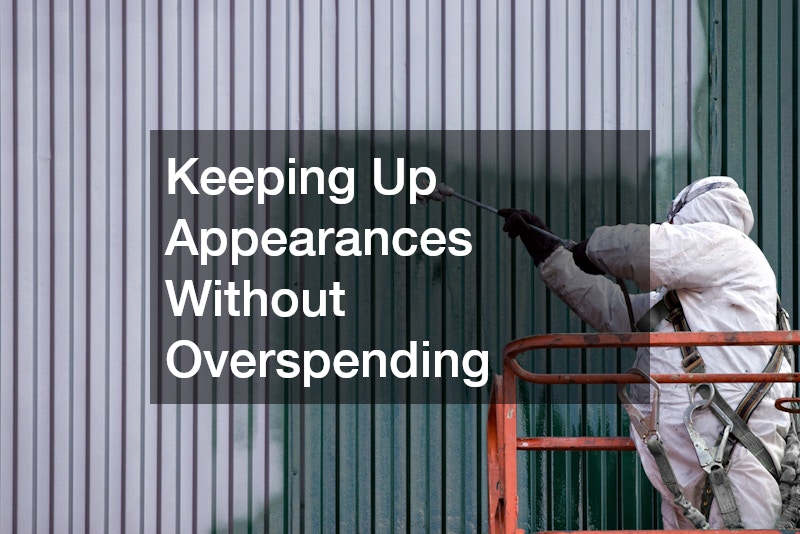
The exterior and interior condition of your property directly affects how customers, tenants, and even insurers perceive your risk level. Hiring qualified commercial painting contractors on a regular schedule protects surfaces from moisture damage, pests, and premature wear, all of which can lead to bigger structural problems down the line. A fresh, well-maintained coat of paint is not just cosmetic; it acts as a protective barrier for wood, metal, and drywall surfaces.
Neglected paintwork can also signal deferred maintenance to potential buyers, insurers, or inspectors, which may affect your property value or premiums. Setting a realistic repainting schedule based on your climate and building materials helps you budget for this expense rather than treating it as a surprise cost.
- Repaint exterior surfaces every five to seven years depending on climate
- Address peeling or bubbling paint immediately to prevent water damage
- Use moisture-resistant coatings in bathrooms, kitchens, and basements
- Document painting history for insurance and resale purposes
Planning Ahead for Property Changes
As your business or property needs evolve, so should your space. A well-planned commercial renovation can improve safety, energy efficiency, and functionality, but it also introduces temporary risks if not managed carefully. Before starting any project, it is worth mapping out how construction will affect daily operations, tenant access, and insurance coverage during the work period.
Renovations are also an opportunity to correct existing vulnerabilities, such as outdated wiring, poor drainage, or inadequate fire exits. Thinking of renovation as a risk reduction tool, rather than just an aesthetic upgrade, helps justify the investment and ensures the work addresses long-term safety concerns.
- Get permits and inspections scheduled before work begins
- Notify your insurer about any major renovation plans
- Prioritize safety upgrades alongside cosmetic improvements
- Keep detailed records of all changes for future reference
Managing Utilities and Specialized Equipment Safely
Many properties rely on specialized systems that carry their own unique risks, and propane is a good example of this. Working only with certified commercial propane installers ensures tanks, lines, and connections meet safety codes and are inspected on a proper schedule. Improperly installed or maintained propane systems can lead to leaks, fires, or costly regulatory violations, none of which are worth the risk of cutting corners.
Beyond installation, ongoing maintenance checks help catch small issues before they become emergencies. Property owners should also confirm that any propane infrastructure is documented and disclosed accurately for insurance and safety compliance purposes.
- Schedule annual inspections for propane tanks and lines
- Keep installation and maintenance records on file
- Train staff to recognize warning signs of gas leaks
- Confirm all equipment meets local fire code requirements
Supporting Health and Cleanliness Standards
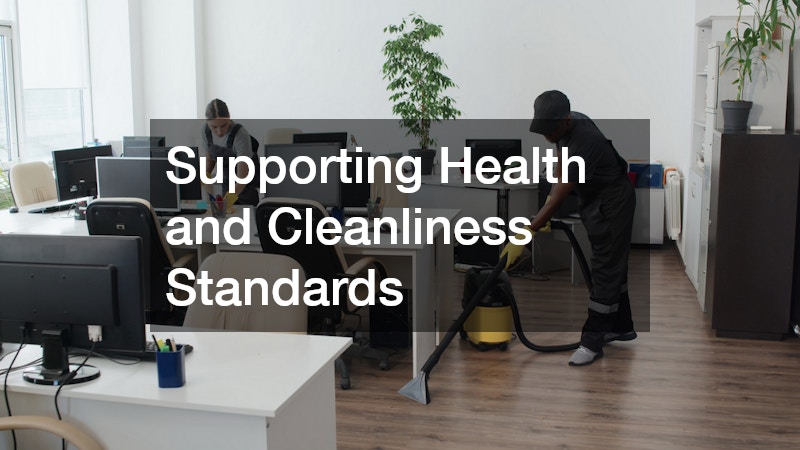
A clean environment is not just about appearances; it plays a direct role in reducing liability and health-related risks. Reputable office cleaning companies help maintain sanitary conditions that reduce the spread of illness, prevent slip and fall accidents, and keep air quality in check through proper dusting and ventilation care. This is especially important in shared spaces where multiple people move through the same areas daily.
High-touch surfaces like doorknobs, elevator buttons, and shared keyboards can harbor bacteria and viruses for hours or even days if left unaddressed. Routine disinfection of these areas, ideally on a daily schedule, can meaningfully cut down on employee sick days and the productivity losses that come with them. Many businesses find that outsourcing this responsibility to professionals ensures consistency that in-house efforts often lack.
Slip and fall incidents remain one of the most common sources of workplace injury claims, and they are frequently tied to wet floors, spilled liquids, or cluttered walkways that go unnoticed. A structured cleaning schedule with clear protocols for spill response and floor maintenance helps close this gap before it becomes a costly lawsuit. Proper signage during and after cleaning also reduces the chance of accidental injury.
Air quality is another often-overlooked factor. Dust buildup in vents, poorly maintained HVAC filters, and stagnant air can contribute to respiratory issues and allergy flare-ups among staff. Scheduling regular vent cleaning and filter replacement, alongside standard dusting, supports both employee wellbeing and long-term equipment performance.
Consistent cleaning schedules also protect flooring, fixtures, and furniture from premature wear, which ties back into overall property value. Grit and spilled liquids left untreated can etch tile, warp wood, and break down carpet fibers within months, turning a routine expense into a costly early replacement. A structured maintenance plan—daily touch-ups, weekly deep cleans, and quarterly deep treatments like grout sealing or upholstery shampooing—extends the usable life of these assets considerably.
Choosing a provider with clear safety protocols and proper insurance of their own adds another layer of protection for your business. Ask potential vendors for proof of general liability coverage and workers’ compensation, since an injury or accidental damage caused by an uninsured contractor can leave your business exposed to claims. It’s also worth reviewing their chemical handling procedures, staff training records, and OSHA compliance history before signing a contract.
Finally, put the specifics in writing. A service agreement that outlines scope of work, frequency, and response times for spills or emergencies gives you recourse if standards slip, and it makes accountability far easier to enforce than a verbal understanding.
- Set daily cleaning routines for high-traffic areas, including entryways, restrooms, and break rooms
- Schedule deep cleaning for carpets and upholstery quarterly, or monthly in higher-risk industries like food service or healthcare
- Confirm cleaning staff are trained in proper chemical handling, including PPE use and safety data sheet access
- Store cleaning chemicals in labeled, ventilated areas away from food or public access
- Ask for documented cleaning logs for compliance purposes, noting date, time, and area serviced
- Retain cleaning logs for at least one year to support insurance claims or liability disputes
- Review cleaning contracts annually to confirm coverage matches current health and safety regulations
Understanding Coverage That Actually Protects You
Even with strong preventative measures, unexpected events can still happen, which is why proper business insurance is a foundational part of any risk management plan. Coverage should be tailored to your specific property type, industry, and exposure, rather than relying on a generic policy that may leave gaps. Common areas to review include property damage, liability, business interruption, and equipment breakdown coverage.
It is worth reviewing your policy annually, especially after renovations, equipment upgrades, or changes in how the property is used. An outdated policy can leave you underinsured exactly when you need coverage the most.
- Review policy limits after any major property changes
- Ask about business interruption coverage for lost income
- Confirm coverage extends to contractors and vendors on site
- Compare quotes every few years to ensure competitive rates
Modernizing Surveillance and Monitoring
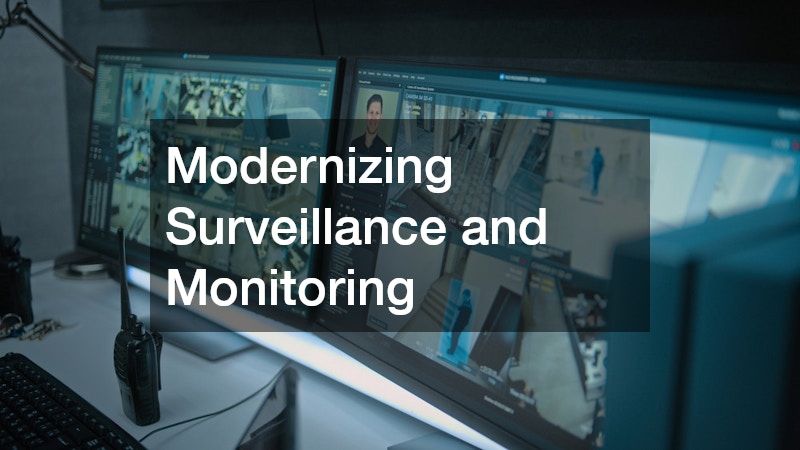
Physical security has evolved well beyond simple locks, and a modern business security system now plays a central role in deterring theft, monitoring activity, and providing evidence if an incident occurs. Cameras, motion sensors, and remote monitoring apps allow property owners to keep an eye on their space even when they are not physically present. This is particularly valuable for properties with limited staff or after-hours access.
Integrating security systems with alarm monitoring services also ensures a faster response time in emergencies, which can reduce the overall damage or loss from an incident. Regularly testing and updating this equipment keeps it effective as technology and threats change over time.
- Install cameras at all major entry and exit points
- Choose systems with remote access and mobile alerts
- Test alarms and cameras monthly for functionality
- Update software and firmware to patch security gaps
Final Thoughts
Protecting your bottom line is not about a single fix, but about layering financial oversight, physical maintenance, and smart security decisions into one cohesive plan. Start by identifying the areas where your property is most exposed, whether that is outdated locks, aging paint, or a gap in your insurance coverage, and address them one step at a time. Small, consistent investments in prevention almost always cost less than recovering from a major incident. Taking action now puts you in a stronger position to protect both your property and your long-term financial health.
