
When a storm tears through your neighborhood or a fire damages a structure, the materials used to build it quietly determine how smoothly your insurance claim unfolds. Insurers assess risk and payout amounts based on durability, fire resistance, and repair costs tied to specific construction choices. Homeowners and business owners who understand these connections can make smarter decisions before disaster strikes, not after. This article breaks down how common building materials and structural designs influence claims, premiums, and your ability to recover losses.
Roofing Materials and Claim Outcomes
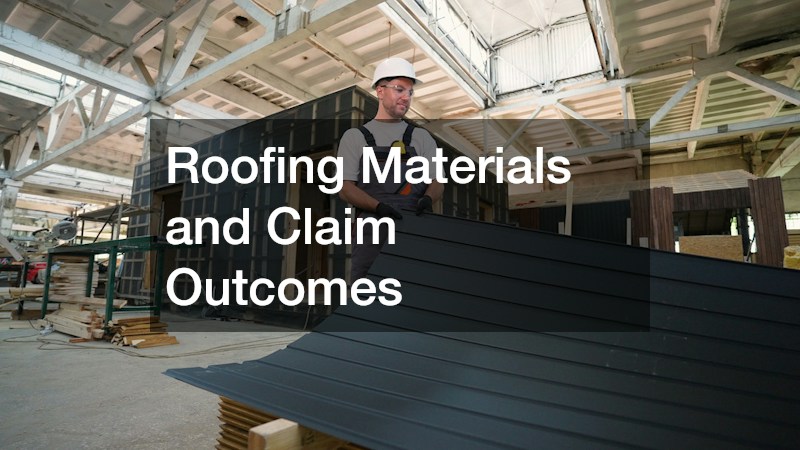
Your roof is one of the first things an insurance adjuster examines after a weather event, and the materials used directly affect how much you receive in a settlement. Asphalt shingles are common and affordable, but they tend to wear faster and may raise questions about pre-existing damage versus storm damage. Metal roofing systems, by contrast, are increasingly favored by insurers because they resist wind uplift, fire, and hail better than many alternatives.
Underneath the visible roofing material, the structural layer matters just as much. Roof metal decking provides a rigid base that holds fasteners securely and resists warping under heat or moisture, which reduces the likelihood of leaks that lead to mold claims. Adjusters often look favorably on buildings with this kind of decking because it lowers the probability of repeat claims from the same weak point. Choosing a stronger decking material upfront can mean fewer disputes over whether damage was sudden or gradual, a distinction insurers scrutinize closely.
- Metal roofing systems often qualify for premium discounts due to lower fire and wind risk.
- Decking quality affects how insurers judge the difference between storm damage and long-term wear.
- Reinforced roofing can shorten the claims process by reducing inspection disputes.
- Some insurers require documentation of decking material during policy underwriting.
Siding and Exterior Wall Construction
The exterior walls of a structure absorb constant exposure to wind, hail, and moisture, and the material choice affects both claim frequency and claim size. Vinyl siding is inexpensive but can crack in extreme cold or warp under direct heat, prompting smaller but more frequent claims. Fiber cement and brick exteriors tend to hold up longer, which insurers factor into premium calculations and depreciation schedules during a payout.
Insurance adjusters also consider how exterior materials interact with insulation and moisture barriers behind them. Poorly sealed siding can trap water, leading to hidden rot that complicates a claim because insurers may argue the damage developed over time rather than from a single covered event. Selecting durable, well-installed exterior materials reduces this ambiguity and supports faster claim approval.
- Brick and fiber cement typically depreciate slower than vinyl in insurance valuations.
- Moisture intrusion behind siding is a frequent source of claim denial.
- Wind-rated siding installation can reduce premium costs in storm-prone regions.
Structural Framing and Open Interior Designs

The way a building is framed affects not just construction cost but also how insurers evaluate risk for commercial structures. Clear span buildings, which eliminate interior load-bearing columns, are popular for warehouses, agricultural facilities, and event spaces because they maximize usable space. From an insurance standpoint, this design can simplify damage assessment since there are fewer structural elements that can fail independently during a covered event.
However, open-span designs also concentrate structural load on fewer support points, meaning any compromise to those points can affect a larger portion of the building at once. Insurers may require additional documentation of engineering standards before issuing coverage on these structures. Property owners considering this layout should request detailed load specifications to present during underwriting, which can prevent coverage gaps later.
- Open-span designs reduce the number of structural failure points insurers need to inspect.
- Engineering certification is often required before a policy is finalized.
- Large clear spans may require specialized wind and snow load coverage riders.
Fire Resistance Ratings and Material Selection
Fire damage claims are among the costliest insurance payouts, and the materials used in construction play a major role in both prevention and claim valuation. Concrete, brick, and steel-framed structures generally carry lower fire risk ratings than wood-framed buildings, which can translate into lower premiums. Insurers also look at interior finishes, since certain insulation and drywall products slow fire spread and reduce total loss claims.
Building codes in many regions now require fire-rated materials in specific zones, particularly in wildfire-prone areas. Homeowners who upgrade to fire-resistant siding, roofing, and decking often see faster claim processing because adjusters can more easily confirm the building met code at the time of loss. This documentation can be the difference between a partial and full settlement after a fire event.
- Fire-rated materials can lower annual premium costs significantly.
- Code compliance documentation speeds up post-fire claims review.
- Wood-framed structures typically face stricter inspection requirements in high-risk zones.
Flooring and Interior Finish Durability
Interior materials matter too, especially for water damage claims, which are among the most common homeowner insurance filings. Hardwood floors can warp quickly when exposed to moisture, leading to higher repair costs and more detailed claims documentation. Tile and engineered flooring options tend to resist water damage better, which can reduce both the frequency and cost of related claims.
Insurers sometimes request receipts or material specifications for high-value flooring when processing a water damage claim, so keeping records of what was installed is genuinely useful. This becomes especially important in finished basements, where flooding is a frequent cause of claims. Choosing moisture-resistant materials in these areas can prevent disputes over whether damage was pre-existing or event-related.
- Tile and engineered wood resist warping better than solid hardwood.
- Basement flooring claims are among the most disputed due to pre-existing wear questions.
- Keeping installation receipts can speed up reimbursement for high-value materials.
When Structural Damage Leads to Injury Claims
Building material failures do not only cause property damage; they can also lead to personal injury when a structure collapses, a roof fails, a balcony gives way, or debris falls unexpectedly from a deteriorating facade. A single defective batch of lumber, improperly cured concrete, or corroded fasteners can turn a routine building inspection into a liability nightmare months or years later. In these cases, injured parties may need to consult personal injury lawyers to determine whether a property owner, contractor, or manufacturer bears liability for using substandard materials. These cases often hinge on whether the materials met code at the time of installation and whether proper maintenance was documented. Investigators typically look at permit records, manufacturer specifications, and third-party inspection reports to reconstruct the material’s history. A gap in any of that paper trail can shift the burden of proof and complicate an insurance claim significantly. Liability can also be split across multiple parties, which makes these claims more complex than a straightforward slip-and-fall case. A contractor might be responsible for improper installation, while a manufacturer could be liable if the product itself had an undisclosed defect, and the property owner may share responsibility if they ignored visible warning signs like cracking, sagging, or water intrusion. Insurers often bring in forensic engineers to pinpoint the actual point of failure before any payout is approved. For businesses, the financial exposure extends well beyond medical bills. Settlements or judgments tied to structural injury claims can trigger premium increases, policy exclusions, or even non-renewal, especially if an insurer determines that known defects were left unaddressed.
Structural material failures don’t always stay contained to the property where they originate. Deteriorating facades, loose cladding, or improperly secured scaffolding can send debris onto an adjacent roadway, parking lot, or sidewalk, turning a property-level maintenance issue into a public safety incident. When that debris strikes a vehicle or forces a driver to swerve, the resulting damage or injury claim can pull the building owner, contractor, and material manufacturer into the same dispute. In rare but serious cases involving large trucks, a semi accident lawyer may become involved if falling material or roadside construction debris contributed to a collision. Given the size and stopping distance of commercial vehicles, even a small obstruction can trigger a chain-reaction crash with significant injuries. Attorneys handling these cases often subpoena building inspection logs, material warranties, and contractor maintenance schedules to determine whether the failure was foreseeable. Insurers on both sides — the property owner’s liability carrier and the trucking company’s commercial policy — will typically investigate independently, which can mean duplicate inspections and competing engineering reports. Discrepancies between those findings often become the crux of settlement negotiations or litigation. These overlapping liability questions show why documenting material choices and maintenance records matters well beyond the insurance claim itself. A well-organized paper trail showing regular inspections, timely repairs, and code-compliant materials can be the difference between a quick settlement and a prolonged, multi-party legal battle.
- Structural collapse claims often require expert testimony on material quality, with engineers assessing whether load-bearing elements met code specifications at the time of installation.
- Liability may extend to manufacturers if materials were defective rather than simply damaged, shifting part of the claim from a standard property policy to a product liability case.
- Documentation of installation dates and maintenance history strengthens injury claims by establishing a clear timeline between material condition and the incident.
- Building permits and inspection records can corroborate whether materials were installed to code, affecting how insurers apportion fault.
- Claims involving multi-party liability—contractor, manufacturer, and property owner—often take longer to settle due to overlapping investigations.
- Photographic evidence of material degradation over time can help distinguish gradual wear from sudden defect-driven failure.
The materials behind your walls, roof, and flooring do more than shape how a building looks; they shape how insurers evaluate risk, process claims, and determine payouts after damage occurs. Taking time to understand these connections before you build, renovate, or file a claim can save you significant money and frustration. Review your policy documents, ask contractors about the materials they recommend, and keep thorough records of installations and repairs. Being proactive now puts you in a far stronger position if you ever need to file a claim later.
