
The way we view our homes has fundamentally shifted over the last few years. Our properties are no longer just places to sleep and eat; they have become our sanctuaries, our primary entertainment venues, and our personal escapes from the fast-paced world. At the heart of this evolution is the backyard. What used to be simply a patch of grass for the kids to run on or a place to store the barbecue grill is now viewed as an essential extension of our indoor living space. However, transforming a bare or outdated yard into a functional, breathtaking oasis is not a weekend DIY project. It requires meticulous planning, a realistic understanding of costs, and a clear, phased roadmap.
Without a solid plan, a full yard renovation can quickly become an overwhelming source of stress, leading to blown budgets, disjointed aesthetics, and structural nightmares. You might find yourself with a beautiful outdoor kitchen that floods every time it rains, or a lounging area that is unbearably hot because you miscalculated the afternoon sun.
The goal of this comprehensive guide is to help you navigate the complex process of a major exterior renovation. We will walk through the critical steps of planning an ultimate makeover, from the unglamorous but vital foundational earthwork to the finishing touches that allow you to enjoy your space year-round. By following a structured approach, you can create a cohesive, durable, and stunning environment that significantly boosts your home’s value and your daily quality of life. Let’s dive into the essential steps for bringing your dream outdoor space to reality.
Map Out Your Terrain and Address Drainage First
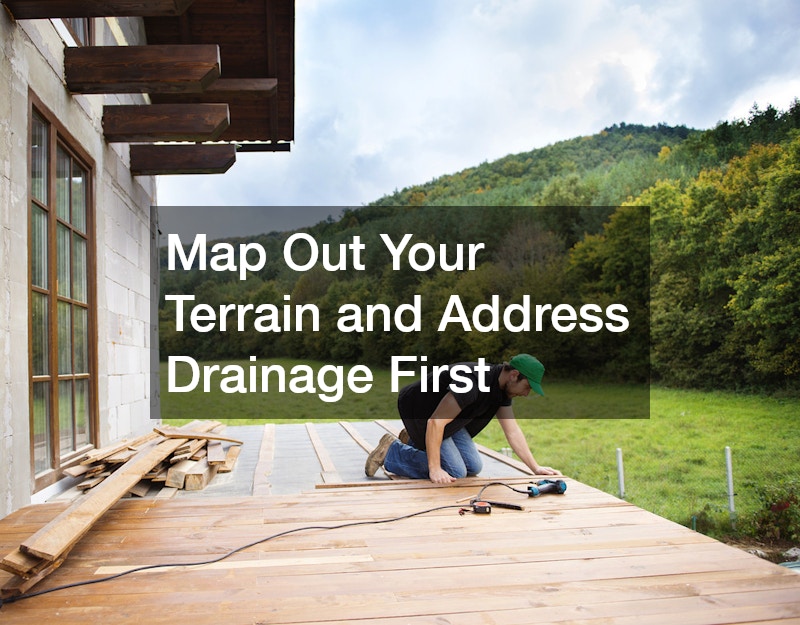
Before you start picking out outdoor furniture or dreaming about an open-air kitchen, you have to look at the literal foundation of your property. The most beautiful exterior design in the world will fail if the ground beneath it is unstable or if water is allowed to pool in the wrong places. Evaluating your terrain and addressing drainage is the most critical first step in any major exterior project.
Evaluating your property’s topography requires understanding how water moves across your land during a heavy storm. Does water rush toward your home’s foundation? Do you have low-lying areas that remain soggy for days after a rain shower? It is vital to solve these drainage issues proactively. Water accumulation can ruin landscaping, create breeding grounds for mosquitoes, rot wooden structures, and cause catastrophic foundation damage to your home.
Consider the following foundational solutions:
-
Grading corrections: The ground should naturally slope away from your home’s foundation at a minimum drop of six inches over the first ten feet.
-
French drains: These are trenches filled with gravel and a perforated pipe that redirect surface water and groundwater away from specific areas.
-
Catch basins: For areas where water heavily pools, catch basins can collect the runoff and channel it through underground pipes to a safe discharge point.
If your property features steep slopes, you will likely need to engage in structural earthwork. Building retaining walls is a highly effective way to hold back soil and carve out usable, flat terraces on an otherwise unusable hillside. These structures not only prevent soil erosion but also add striking visual interest and distinct levels to your yard, perfect for creating separated garden rooms or elevated vantage points.
Because earth movement involves complex calculations regarding hydrostatic pressure, soil load, and municipal zoning laws, it is not a project to tackle alone. It is highly recommended to hire a qualified hardscaping contractor early in the design phase. These professionals possess the heavy equipment and engineering knowledge necessary to safely move tons of earth, ensure proper compaction, and build foundational elements that will not collapse or shift after the first winter freeze.
Design Elevated Entertainment Zones for Maximum Flow

Once your ground is stabilized and drainage is routed correctly, you can begin planning the architecture of your outdoor living areas. Elevated spaces are excellent ways to transition from the interior of your home down to the landscape. To make these areas successful, you must first determine their exact primary purpose. Will this space be heavily focused on outdoor cooking and dining, requiring space for a grill, prep station, and a large table? Or is it meant to be an intimate, cozy lounge space centered around deep seating and conversation?
When planning the footprint of this space, scale and proportion are crucial. A common mistake homeowners make is building a structure that is either too small to navigate comfortably or so massive that it swallows the entire yard and dwarfs the home’s architecture.
Here are some layout and flow guidelines to keep in mind:
-
The traffic rule: Allow a minimum of 36 inches of clear walkway space around all major furniture pieces and outdoor kitchen counters to ensure guests can move without squeezing past one another.
-
The grill buffer: Keep grills and cooking appliances away from high-traffic doorways and ensure smoke will not blow directly into seating areas based on prevailing winds.
-
Proportional sizing: As a general rule of thumb, your elevated space should be no larger than 20 percent of your home’s total interior square footage to maintain visual harmony.
To achieve a truly integrated look, consider the benefits of custom decks rather than standard square builder-grade platforms. A tailored structure can wrap elegantly around existing mature trees, feature multi-level tiers to designate different functional zones, and perfectly match the unique architectural bump-outs of your home.
Executing this level of customized design requires skilled craftsmanship. When interviewing potential deck builders, you must vet them thoroughly. Do not settle for the lowest bid without looking at their history. Ask to see portfolios of their previous tailored projects. Inquire about their process for securing municipal permits, their knowledge of local frost-line depth requirements for footings, and what specific warranties they offer on both their labor and the structural integrity of the build over time.
Select Low-Maintenance Materials for Longevity
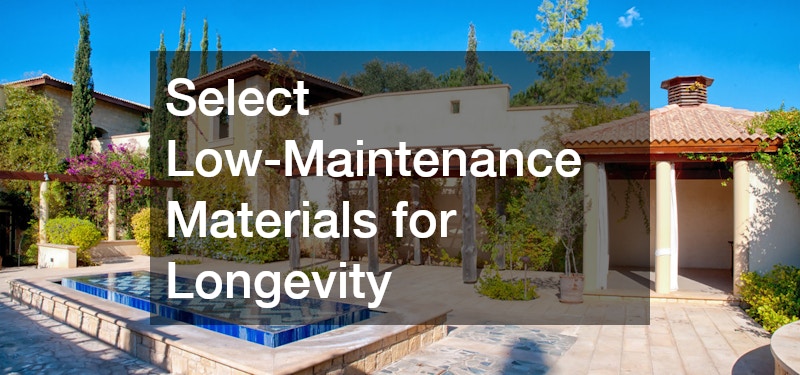
The materials you choose for your outdoor renovation will dictate not only the initial aesthetic but also how you spend your weekends for the next twenty years. It is easy to be tempted by the lower upfront price tag of traditional pressure-treated lumber. However, when you analyze the true cost of ownership, standard wood often becomes the more expensive option over time.
Traditional lumber requires rigorous, exhausting maintenance. To prevent it from rotting, splintering, fading, or succumbing to insect damage, it must be sanded, stained, and sealed every one to three years. If you neglect this maintenance, the boards will warp, crack, and eventually require complete replacement, costing you heavily in the long run.
Instead, modern renovations prioritize durability and safety through advanced synthetic and capped polymer options. These materials are engineered to resist moisture penetration, meaning they will not rot, host mold, or warp under the harsh summer sun. Furthermore, because they do not splinter, they are infinitely safer for bare feet, children, and pets running across the surface.
When opting for these advanced synthetic materials, the installation process differs significantly from nailing down traditional wood. It is crucial to hire specialized composite deck installers who understand the unique behaviors of synthetic boards. These professionals know exactly how to calculate the necessary expansion gaps to prevent the boards from buckling as temperatures change. They are also adept at using specialized hidden fastening systems that leave a completely smooth, screw-free surface, ensuring the final product looks clean, seamless, and high-end.
Lay the Groundwork for Dining and Fire Pit Areas

While elevated structures are great for transitioning out of the house, the ground level of your yard is where you can truly spread out and create distinct, sprawling destinations. Ground-level zones allow you to interact directly with your landscaping, creating intimate spaces nestled among gardens or expansive areas for large gatherings.
Defining these zones is the first step. You might want a secluded fire pit area tucked into the back corner of the yard for late-night conversations, and a separate, large, flat expanse closer to the house dedicated to an outdoor kitchen and a massive dining table.
Choosing the right foundation material for these ground-level areas depends heavily on your local climate, your desired aesthetic, and your budget:
-
Poured or Stamped Concrete: Offers a continuous, weed-free surface. It can be stamped to mimic stone or wood, but it is prone to cracking in climates with severe freeze-thaw cycles.
-
Natural Flagstone: Provides a beautiful, organic, and timeless look. It is highly durable but can be uneven for furniture and is often the most expensive option due to the labor of piecing irregular shapes together.
-
Interlocking Paver Systems: The most versatile option. Pavers flex with the ground, making them highly resistant to cracking during temperature shifts. If one gets stained or damaged, it can be individually replaced.
Because the earth is constantly settling and shifting, laying a ground-level hardscape requires intense, precise foundational work. If the base is done incorrectly, your beautiful outdoor dining room will become a wavy, uneven hazard within a year. This is why partnering with specialized patio contractors is non-negotiable for a lasting result. They know exactly how deep to excavate the topsoil, how to lay a heavy-duty geotextile weed barrier, and how to compact multiple layers of crushed stone and bedding sand to create a rigid, unyielding base.
Once the base is perfectly leveled and compacted, a skilled patio installer will meticulously lay the surface materials, ensuring perfectly straight lines, proper water runoff slopes, and tight joints. The final step involves sweeping polymeric sand into the crevices and wetting it down, locking the stones firmly into place and preventing weeds from sprouting up through your new entertainment space.
Break Down Visual Barriers Between Inside and Out

One of the most transformative elements of an ultimate backyard makeover actually happens on the walls of your house. The modern standard for luxury living revolves around the concept of indoor-outdoor harmony. By widening the threshold between your indoor kitchen or living room and your new outdoor entertainment space, you fundamentally change how your home feels and functions.
Creating a seamless transition removes the psychological barrier of “going outside” and instead makes the yard feel like just another room in the house. When you open up the back wall of your home, you dramatically maximize natural light, flooding your interior spaces with sunshine and making them feel vastly larger and more welcoming.
Executing this kind of structural upgrade is a major architectural endeavor. It usually involves removing load-bearing walls, rerouting electrical and plumbing lines, and installing massive structural steel or engineered wood headers to support the weight of the roof above the new opening.
When planning for patio door installations, you have several high-impact options to choose from:
-
Traditional French Doors: These offer a classic, elegant look, swinging either inward or outward. They are relatively easy to install but their swinging radius does eat up usable floor space.
-
Oversized Sliding Glass Doors: Modern sliders can be massive, offering huge panes of uninterrupted glass. They slide on tracks, saving floor space, and offer a sleek, contemporary aesthetic.
-
Bifold or Accordion Doors: These are the ultimate luxury option for breaking down barriers. They fold back on themselves in panels, allowing you to completely remove entire walls of your home and merge the indoor and outdoor floors into one massive, continuous entertainment zone.
When selecting these vast expanses of glass, ensure you are choosing high-efficiency, Low-E (low-emissivity) glass to prevent the summer heat or winter cold from driving up your energy bills.
Extend Your Season with Smart Shade and Weatherproofing
The final phase of your backyard makeover is ensuring you can actually use the space comfortably, regardless of the time of day or the season. An outdoor living room is useless if it is blindingly hot at 2:00 PM or swarming with mosquitoes at dusk.
Begin by auditing your yard’s sun exposure. Track the sun’s path across your property throughout the day and take note of how it shifts from summer to winter. A south-facing yard will get baked in intense sunlight all day, while a west-facing yard will suffer from blinding, hot afternoon glare just as you sit down for dinner.
To combat harsh elements, you need adaptable overhead structures. A solid roof is great for rain, but it traps heat and darkens the adjacent rooms of your house. A brilliant solution is incorporating a louvered pergola into your design. This architectural feature utilizes a motorized roof system with rotating horizontal slats. With the push of a button, you can angle the slats to block the direct summer sun while still allowing a cool breeze to flow upward and escape. In the winter, you can open them fully to let the warmth of the sun through, and during a sudden summer rainstorm, the slats can be closed completely flat, forming a watertight roof over your outdoor furniture.
Temperature is only half the battle; local wildlife is the other. In many climates, sitting outside in the evening means battling relentless insects. To keep the bugs at bay without losing your connection to nature, consider how patio screen enclosures can be integrated into your structural design. Modern screening options are practically invisible from a distance, allowing you to enjoy unimpeded views of your landscaping while transforming your outdoor lounge into a highly functional three-season room that protects you from mosquitoes, fallen leaves, and harsh UV rays. Add a few strategically placed outdoor ceiling fans and an infrared radiant heater, and you have a space you can enjoy from early spring well into late autumn.
Bringing Your Backyard Vision to Life
Planning the ultimate exterior renovation is an exercise in vision, organization, and deliberate execution. By taking the time to truly understand your property’s foundational needs, you ensure that the investments you make above ground will stand the test of time. Defining clear, purposeful zones allows your yard to function seamlessly, whether you are hosting a massive neighborhood barbecue or enjoying a quiet cup of coffee on a Sunday morning.
Choosing durable, high-quality materials and partnering with vetted, specialized professionals will save you from years of frustrating maintenance and costly repairs down the road. Furthermore, by intentionally designing ways to merge your indoor and outdoor spaces and protect those areas from the elements, you effectively increase the livable square footage of your home.
Remember to practice patience throughout this process. A breathtaking, comprehensive yard transformation rarely happens in a matter of weeks. Phasing the project over several seasons or even a few years is a highly practical and financially sound approach. Start by dreaming big: sketch your ideas, gather inspiration photos, analyze your daily routines, and begin making those initial calls for site consultations. With a solid plan in hand, your ultimate outdoor oasis is entirely within reach.
