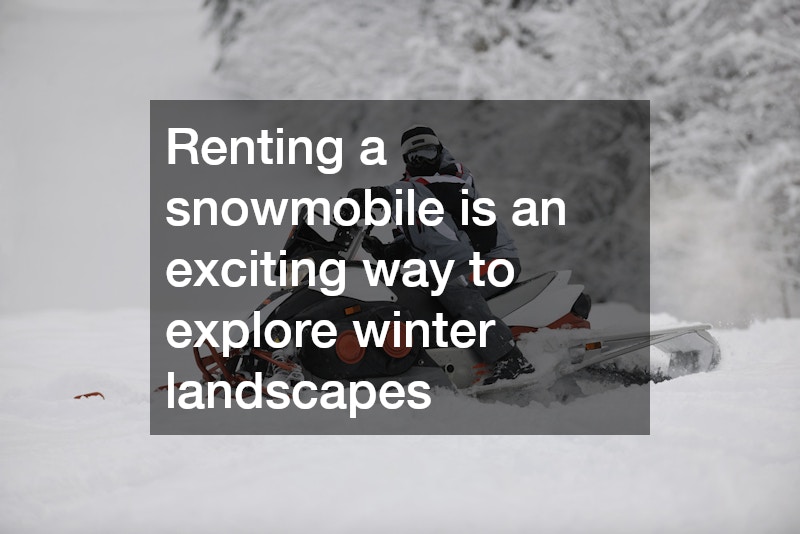
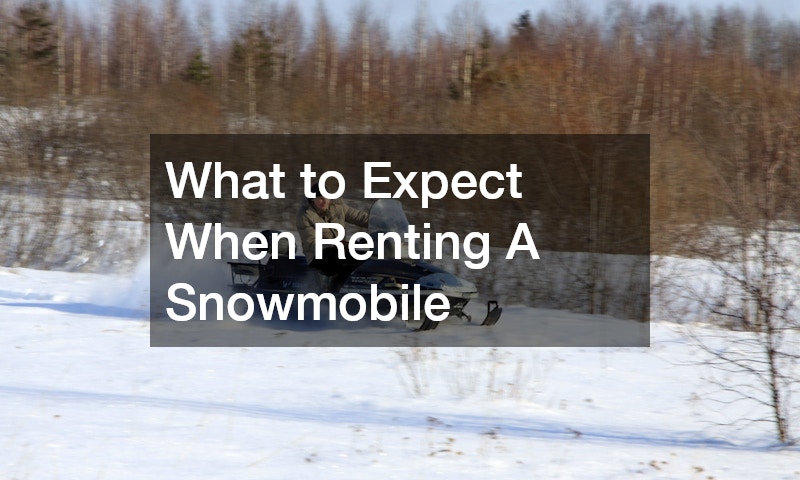
Renting a snowmobile is an exciting way to explore winter landscapes, whether you are visiting a mountain destination or looking for a new outdoor adventure close to home. For first-time riders and even those with some experience, knowing what to expect before arriving can make the experience smoother, safer, and more enjoyable. From preparation and safety to pricing and trail etiquette, understanding the process ahead of time helps ensure your ride is memorable for the right reasons.
Preparing Before You Arrive
Before heading out, it’s important to check the rental company’s requirements. Most rental providers require a valid driver’s license and may have minimum age limits for drivers and passengers.
Some locations also ask riders to complete a brief safety orientation before riding.
It’s also helpful to dress appropriately. Snowmobiling is a cold-weather activity, and even on sunny days, wind chill can significantly lower temperatures. Insulated jackets, snow pants, gloves, and waterproof boots are typically recommended. Some rental providers offer helmets, goggles, and insulated suits, but it’s best to confirm ahead of time what is included and what you may need to bring.
Understanding the Rental Process
When you arrive at the rental location, you will typically begin by checking in and reviewing paperwork. This often includes signing a waiver and reviewing rental terms such as time limits, fuel usage, and damage policies. Staff members will usually explain how the machine works, covering basics like throttle control, braking, steering, and emergency shutoff procedures.
This is also when you’ll learn about the specific model you’ll be riding. Snowmobiles vary in size, power, and handling, and rental providers usually match machines to rider experience levels. If you’re new to riding, you may be assigned a beginner-friendly model that prioritizes stability and ease of use.
Safety Briefing and Training
Safety is a major focus for any snowmobile rental experience. Most providers offer a short safety briefing that covers riding posture, trail rules, hand signals, and how to handle common situations such as turning, stopping, or navigating uneven terrain.
You’ll also be advised on speed limits and trail boundaries. Many rental areas operate on designated trails to protect riders and preserve the environment. Following these guidelines not only keeps you safe but also ensures a positive experience for everyone on the trail.
What the Ride Is Like
Once you’re on the trail, you’ll quickly notice that snowmobiling combines excitement with scenic beauty. The machines are powerful yet responsive, allowing riders to glide across snow-covered terrain with ease. Depending on the location, trails may wind through forests, open meadows, or mountainous areas with breathtaking views.
Guided tours are often available for those who prefer a structured experience. These tours are led by experienced guides who manage pace, provide direction, and share local knowledge. Self-guided options are also common, giving riders more freedom to explore at their own pace within approved areas.
Fuel, Time, and Costs
Rental pricing typically depends on duration, machine type, and whether the ride is guided or self-guided. Rentals may be offered by the hour, half day, or full day. Fuel policies vary, with some providers including fuel in the price and others charging based on usage.
It’s important to return the snowmobile on time, as late returns may result in additional fees. Understanding these details upfront helps avoid surprises at the end of your ride. Asking questions before heading out ensures you know exactly what is included in your snowmobile rental and what may incur extra costs.
Trail Etiquette and Environmental Awareness
Respecting trail rules and other riders is a key part of the experience. Riders are expected to stay on designated trails, yield when appropriate, and maintain safe distances from others. Keeping speeds reasonable, especially in shared or narrow areas, helps prevent accidents.
Environmental responsibility is also emphasized. Snowmobile trails are often located in sensitive natural areas, and staying within approved zones helps protect wildlife and preserve winter landscapes for future visitors.
After the Ride
Once you return, staff may inspect the snowmobile for damage and review fuel usage if applicable. This is also a good time to share feedback or ask questions about future rides. Many riders find that their first experience sparks interest in trying different trails, longer rides, or even upgrading to more advanced machines in the future.
For those new to winter sports, renting offers a low-commitment way to experience the thrill without the responsibilities of ownership. It allows riders to focus on enjoyment while learning the basics in a controlled environment.
Renting a snowmobile is more than just hopping on a machine and heading out—it’s an experience that combines preparation, safety, and adventure. By knowing what to expect, riders can feel confident and relaxed, allowing them to fully enjoy the ride. Whether you’re exploring snowy backcountry or cruising groomed trails, a well-planned snowmobile rental can be a highlight of any winter getaway.