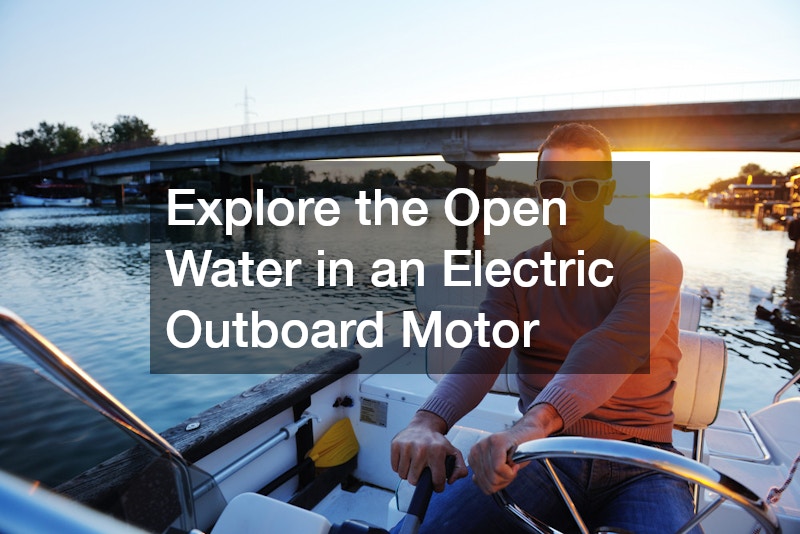

Boating technology has come a long way, and one of the biggest shifts in recent years is the growing popularity of the electric outboard motor. Designed as a cleaner, quieter alternative to traditional gas-powered engines, electric outboards are becoming a smart choice for anglers, recreational boaters, and environmentally conscious users alike. From ease of use to long-term cost savings, the advantages extend well beyond just going green.
Cleaner and More Environmentally Friendly Performance
Zero Emissions on the Water
One of the most compelling benefits of an electric outboard motor is its lack of direct emissions. Unlike gasoline engines that release exhaust fumes into the air and water, electric motors operate without burning fuel.
This helps preserve water quality and reduces the overall environmental impact, especially in lakes, rivers, and protected marine areas.
Reduced Impact on Marine Life
Traditional outboard motors can disturb fish and wildlife through both pollution and noise. Electric motors produce far less vibration and no fuel leakage, making them ideal for ecosystems where maintaining natural balance is important. Many anglers prefer electric power specifically because it allows them to move quietly without disrupting fish habitats.
Quiet Operation for a Better Boating Experience
Enjoy the Sound of Nature
An electric outboard motor is significantly quieter than its gas-powered counterpart. Instead of engine rumble, boaters can enjoy the sounds of water, wind, and wildlife. This makes electric motors especially appealing for leisure cruising, fishing, and sightseeing.
Ideal for Noise-Restricted Areas
Many lakes and reservoirs have strict noise or emission regulations. Electric motors often meet or exceed these requirements, allowing access to waterways where gas engines may be limited or prohibited. This opens up more boating opportunities without worrying about compliance issues.
Lower Operating and Maintenance Costs
No Fuel Expenses
Electric motors eliminate the need for gasoline, which can lead to substantial savings over time. Charging a battery is generally far less expensive than refueling with gas, especially as fuel prices fluctuate. For frequent boaters, these savings can add up quickly.
Fewer Mechanical Components
An electric outboard motor has a simpler internal design compared to a combustion engine. With fewer moving parts, there is less wear and tear and a reduced risk of mechanical failure. This translates to fewer repairs, less downtime, and lower maintenance costs overall.
Minimal Routine Maintenance
Oil changes, fuel filters, spark plugs, and carburetor cleanings are not part of electric motor ownership. Most maintenance involves basic inspections and battery care, making electric outboards far more user-friendly for boat owners who prefer a low-maintenance setup.
Easy to Use and Beginner Friendly
Simple Controls and Instant Power
Electric motors provide instant torque, meaning power is available as soon as the throttle is engaged. There’s no warm-up time, gear shifting complexity, or pull-starting involved. This makes an electric outboard motor particularly appealing for beginners or casual boaters.
Lightweight and Portable Options
Many electric outboard motors are lighter than traditional engines, making them easier to mount, remove, and transport. This is especially useful for smaller boats, tenders, inflatables, and kayaks where weight and balance matter.
Reliable Performance for Short to Medium Trips
Consistent and Smooth Operation
Electric motors deliver smooth, steady power without the surging or vibration sometimes associated with gas engines. This consistent performance improves boat handling and enhances overall comfort during operation.
Advancements in Battery Technology
Modern lithium battery systems have significantly improved range and efficiency. While electric motors may not yet replace gas engines for long offshore journeys, they are more than capable for inland boating, fishing trips, and short coastal runs.
Safer and More User-Friendly Design
Reduced Fire and Fuel Risks
Without gasoline onboard, the risk of fuel spills, fumes, or fires is greatly reduced. This makes electric motors a safer option, especially for families, rental fleets, and beginner boaters who want added peace of mind.
Cleaner Storage and Transport
Electric outboard motors don’t leak oil or fuel during storage or transport. This keeps boats, garages, and vehicles cleaner and eliminates unpleasant fuel odors.
A Future-Focused Boating Solution
Aligning with Sustainable Trends
As sustainability becomes a priority across industries, boating is no exception. Choosing an electric outboard motor aligns with global efforts to reduce carbon footprints and transition to renewable energy sources.
Growing Availability and Innovation
Manufacturers continue to invest heavily in electric propulsion, leading to better performance, longer battery life, and expanded power options. As infrastructure and technology improve, electric outboards are becoming a more practical solution for a wider range of boat types and uses.
Versatility Across Boating Applications
Perfect for Fishing and Leisure Boating
Quiet operation, precise speed control, and minimal maintenance make electric motors a favorite among anglers and recreational boaters. Whether trolling for fish or enjoying a relaxed cruise, electric power enhances the experience.
Suitable for Small and Specialized Boats
From sailboat auxiliaries to dinghies and pontoons, an electric outboard motor adapts well to various applications. Its flexibility makes it a valuable option for boaters looking for efficient propulsion without complexity.