
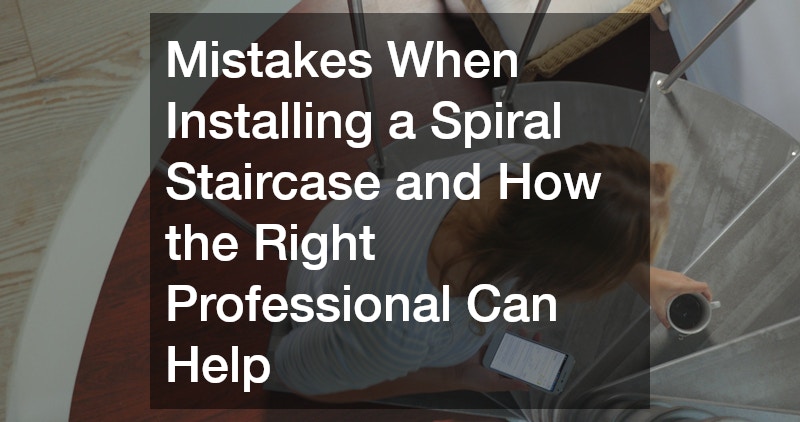
A spiral staircase can be a striking architectural feature in any home or commercial space. Its compact design saves space, adds a touch of elegance, and can become a centerpiece of the interior design. However, installing a spiral staircase is far more complex than simply assembling a set of steps in a spiral pattern. Mistakes during installation can lead to safety hazards, structural issues, and costly repairs. Understanding the common errors and knowing how a qualified professional can help ensures your spiral staircase not only looks stunning but functions safely for years to come.
Common Mistakes in Spiral Staircase Installation
Incorrect Measurements
One of the most frequent mistakes in spiral staircase installation is improper measurement. Spiral staircases are highly sensitive to dimensions, including the diameter, rise, and tread width. A slight miscalculation can result in a staircase that is too steep, cramped, or difficult to navigate. Without precise measurements, the staircase may not fit the intended space, requiring expensive modifications or even a complete replacement.
Overlooking Building Codes and Safety Standards
Every building has local codes and regulations for staircases, and spiral staircases are no exception. Skipping or misunderstanding these requirements can create serious safety risks. Common oversights include incorrect step heights, insufficient headroom, and inadequate railing heights. Failure to comply with building codes may also lead to legal issues or challenges when selling the property.
Poor Structural Support
A spiral staircase is not just decorative—it must bear weight safely. Installing it without proper structural support is a critical mistake. If the staircase is anchored to weak or insufficient support, it can wobble, creak, or even collapse over time. This risk is particularly high in older buildings or when installing heavier materials like metal or hardwood. Ensuring the staircase is properly supported requires careful planning and, often, structural reinforcement.
Choosing the Wrong Materials
The choice of material affects both the aesthetics and durability of a spiral staircase. Wood, metal, and glass all come with unique installation challenges. Using materials unsuited to the environment—like untreated wood in a humid area or metal prone to rust—can compromise the staircase’s longevity and safety. Additionally, incorrect installation techniques for a given material can lead to cracking, warping, or loose steps.
Ignoring the Importance of Tread and Riser Design
Comfort and usability are often overlooked in favor of appearance. Spiral staircases with uneven risers or overly narrow treads can be uncomfortable or even dangerous to use. Proper tread depth and riser height are crucial for safe navigation, especially in homes with children or elderly occupants. Skimping on these measurements may result in a staircase that is difficult or unsafe to climb.
DIY Installation Pitfalls
While DIY projects can be rewarding, installing a spiral staircase is not typically one of them. Without specialized skills, tools, and experience, the likelihood of errors increases significantly. Misaligned steps, unsecured railings, and poorly drilled mounting points are common DIY mistakes that can turn a beautiful staircase into a liability.
How the Right Professional Can Help
Hiring a qualified spiral staircase builder is the best way to avoid these pitfalls. Professionals bring the knowledge, experience, and precision required to deliver a safe and visually appealing result.
Accurate Measurements and Custom Design
A professional spiral staircase builder begins with precise measurements, ensuring that every step, riser, and landing fits perfectly within the available space. They can also provide custom designs tailored to the home’s layout and the client’s aesthetic preferences. By accounting for space constraints and functionality, a professional ensures the staircase is both safe and visually harmonious.
Code Compliance and Safety Assurance
Experienced builders are familiar with local building codes and safety regulations. They design and install staircases that meet or exceed these standards, protecting homeowners from potential safety hazards and legal complications. This expertise ensures proper handrail height, step dimensions, and headroom clearance.
Structural Integrity
A professional builder evaluates the structural needs of the staircase and the building. They install the staircase with adequate support, reinforcing the foundation as needed to prevent wobbling, sagging, or collapse. This attention to structural detail provides long-term durability and peace of mind.
Material Expertise
Different materials require different installation techniques. A spiral staircase builder has the experience to work with wood, metal, or glass, selecting the best materials for the environment and ensuring flawless assembly. This expertise prevents issues such as warping, cracking, or rusting and guarantees a high-quality finish.
Efficient Installation and Finishing
Professional builders streamline the installation process, completing the project efficiently while maintaining high standards. They ensure steps are even, railings are secure, and the overall structure is stable. Additionally, they can add finishing touches, like polished railings or custom balusters, that enhance the staircase’s aesthetic appeal.
A spiral staircase is a sophisticated addition to any home or commercial space, but its installation is far from simple. Mistakes like incorrect measurements, poor structural support, or neglecting safety standards can compromise both functionality and safety. The right spiral staircase builder brings the expertise to navigate these challenges, ensuring a secure, code-compliant, and visually stunning staircase that lasts for years. By investing in a professional, homeowners not only avoid costly errors but also gain a beautiful architectural feature that truly elevates their space.

