In recent years, microplastic pollution has emerged as one of the most pressing environmental challenges. Tiny plastic particles, often less than five millimeters in size, are now found in oceans, rivers, and even the air we breathe. A significant contributor to this problem is synthetic clothing. Every time garments made of polyester, nylon, or other synthetic fibers are washed, they shed microplastics—tiny strands that eventually find their way into waterways. These microscopic pollutants are not only harmful to marine life but also pose potential risks to human health.
Fortunately, innovations in textile production, such as cotton microfiber fabrics, are helping to address this issue.
The Microplastic Problem in Fashion
Clothing has long been a staple of human life, but the rise of fast fashion has intensified the environmental impact of our wardrobes. Synthetic fibers dominate the market due to their affordability, durability, and ease of care. However, these benefits come with hidden costs. When synthetic garments are laundered, friction during washing causes small fibers to break off. These fibers are too tiny to be fully captured by wastewater treatment plants, allowing them to enter rivers and oceans. Once in aquatic environments, microplastics can be ingested by fish, plankton, and other marine species, disrupting ecosystems and even entering the food chain.
Research shows that millions of tons of synthetic microfibers are released into the environment annually. These microfibers are highly persistent, meaning they do not biodegrade easily. As awareness of this problem grows, consumers and manufacturers alike are seeking sustainable alternatives that can reduce the release of microplastics while still offering the comfort and durability of modern textiles.
Cotton Microfiber: A Sustainable Alternative
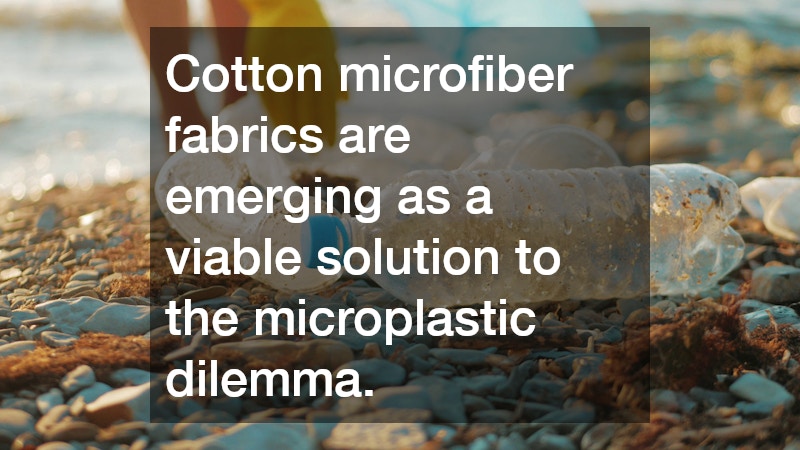
Cotton microfiber fabrics are emerging as a viable solution to the microplastic dilemma. Unlike synthetic fibers, cotton is natural, renewable, and biodegradable. Cotton microfibers are created by breaking down cotton fibers into extremely fine threads that mimic the softness and functionality of synthetic microfiber. These fabrics retain the desirable qualities of traditional microfiber—such as softness, absorbency, and durability—without contributing to microplastic pollution.
One of the key advantages of cotton microfibers is their biodegradability. When cotton fibers eventually shed during washing or wear, they naturally decompose over time, unlike synthetic microfibers that persist in the environment for decades. This property significantly reduces the accumulation of microplastics in oceans, lakes, and soils, helping to mitigate a major source of environmental contamination.
Applications and Benefits
Cotton microfiber fabrics are being increasingly used in a variety of applications, from clothing and towels to cleaning cloths and bedding. In the textile industry, manufacturers are finding that cotton microfibers can replace polyester and other synthetics without sacrificing performance. For consumers, this means enjoying products that are soft, durable, and easy to care for, all while making a conscious choice to protect the environment.
Beyond environmental benefits, cotton microfibers also offer health advantages. Synthetic microfibers can sometimes carry chemical residues from production processes, detergents, or dyes, which may pose risks when ingested or inhaled. Cotton microfibers, being natural, are less likely to introduce these harmful substances into homes or waterways. Additionally, cotton fabrics are often more breathable and gentle on the skin, making them a preferred choice for sensitive individuals.
The Role of Innovation and Industry
The transition from synthetic to natural microfiber fabrics is being driven by both innovation and consumer demand. Textile engineers are continually developing new methods to produce cotton microfibers with superior softness, strength, and longevity. Companies that prioritize sustainability are investing in research to ensure that cotton microfiber fabrics can perform on par with, or even better than, their synthetic counterparts.
Furthermore, government regulations and environmental guidelines are encouraging the textile industry to adopt more sustainable practices. Some nations are exploring restrictions on certain types of synthetic fibers in consumer products, which could accelerate the shift toward natural alternatives like cotton microfibers. Meanwhile, environmental organizations are educating consumers about the importance of choosing fabrics that reduce microplastic pollution, creating a feedback loop that incentivizes sustainable manufacturing.
Looking Forward
The emergence of cotton microfiber fabrics represents a promising step toward reducing our global microplastic footprint. By replacing synthetic fibers with natural, biodegradable alternatives, we can significantly decrease the volume of microplastics entering our waterways and ecosystems. Continued innovation, responsible manufacturing, and mindful consumer behavior will be essential to expanding the impact of these fabrics.
Microplastics are a global challenge, but the rise of sustainable alternatives like cotton microfibers demonstrates that solutions are possible. As industries evolve and consumers embrace environmentally friendly choices, we can look forward to a future where fashion and sustainability coexist harmoniously. Every cotton microfiber garment purchased or used is not just a product—it is a small but meaningful contribution toward cleaner oceans, healthier ecosystems, and a more sustainable planet.